
Stop the Energy Leak: Why Utility Savings Potential is Right Outside Your Wall
Category
In the “Windy City,” weather isn’t just a topic of conversation; it’s a factor that dictates the longevity and cost of homeownership. From the bone-chilling sub-zero temperatures of January to the humid, sweltering heat waves of July, Chicago homes are put through a relentless thermal stress test. For local residents, finding the right energy efficiency siding
isn’t just about luxury—it’s about survival for both the building’s structure and the homeowner’s bank account.
Traditional house siding materials often struggle to keep up with these extremes. Whether it’s vinyl cracking in the cold or wood rotting due to Lake Michigan moisture, the limitations of standard options are well-documented. This has led many to seek out the best siding for houses that can actually improve a home’s thermal envelope. Rhino Shield, a revolutionary ceramic coating system, has emerged as the premier solution. In this analysis, we will explore the science behind this coating and how it outperforms traditional siding options in the unique Chicago climate.
The Chicago Climate Challenge: Why Standard Siding Fails
Chicago’s climate is notorious for its “seesaw” temperature swings. These rapid changes cause house siding materials like vinyl and wood to expand and contract violently. Over time, this leads to gaps, cracks, and warped panels that allow conditioned air to escape and moisture to enter. When your home’s exterior “breathes” in the wrong way, your energy bills skyrocket as your HVAC system struggles to maintain a consistent temperature.
When evaluating siding options , most people only look at the R-value of the insulation behind the siding. However, a significant portion of energy loss occurs through “thermal bridging” and solar heat gain. This is where Rhino Shield changes the game. By applying a seamless, high-performance exterior paint coating, you are effectively wrapping your home in a protective, insulating skin that traditional panels simply cannot replicate.
The Science of “Cool Coatings”: Insights from ScienceDirect
The effectiveness of reflective coatings is not just a marketing claim; it is a scientifically proven phenomenon. According to an abstract published on ScienceDirect regarding cool coatings and thermal performance, materials with high solar reflectance and infrared emittance significantly reduce the cooling load of buildings. These “cool roof” and “cool wall” technologies are critical in mitigating the “Urban Heat Island” effect found in dense areas like Chicago and its surrounding suburbs.
Rhino Shield leverages this exact science. While traditional dark-colored house siding materials absorb the sun’s energy and transfer it into the walls, Rhino Shield’s ceramic-based formula reflects that energy away from the structure. This keeps the exterior surface—and consequently the interior rooms—significantly cooler during Chicago’s peak summer months.
Ceramic Microspheres: The Secret to High-Performance Insulation
The primary reason Rhino Shield is often considered the best siding for houses
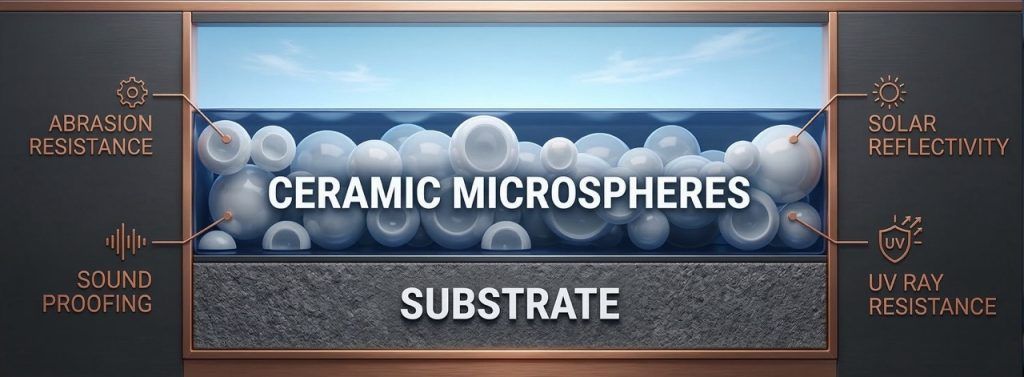
regarding energy savings is its use of 3M ceramic microspheres. In standard exterior paint, you find cheap fillers like calcium carbonate. In Rhino Shield, those fillers are replaced with microscopic, hollow ceramic bubbles.

The Vacuum Effect
As detailed in Rhino Shield’s energy efficiency analysis, these microspheres act like a vacuum-sealed thermos. Heat finds it incredibly difficult to pass through a vacuum. By packing millions of these spheres into the coating, Rhino Shield creates a dense barrier that inhibits the transfer of heat through conduction and convection. This means in the winter, the heat generated by your furnace stays inside, and in the summer, the outdoor heat is blocked from entering.
High-Build Protection
Most siding options are thin, and traditional paint is even thinner (drying to about the thickness of a human hair). Rhino Shield is a “high-build” system. It is applied at 8 to 10 times the thickness of regular paint. This mass provides a physical buffer against the elements, adding a significant layer of thermal resistance to your home’s exterior walls.
Comparing Siding Options for the Illinois Homeowner
To understand why a ceramic exterior paint coating is the superior choice, we must compare it to the most common house siding materials used in the Chicago area:
- Vinyl Siding: Often the cheapest option, but it offers very little thermal resistance. It is prone to “oil canning” (warping) in the sun and becoming brittle during Chicago winters.
- Fiber Cement: A durable and popular choice, but it is heavy and lacks any inherent reflective properties. It still requires regular repainting to maintain its appearance and moisture resistance.
- Brick and Stone: While high in thermal mass, brick can actually hold onto heat long after the sun goes down, continuing to warm your home well into the night.
Rhino Shield offers the best of all worlds: the durability of fiber cement, the beauty of a freshly painted home, and the energy-saving reflective technology of a modern “cool coating.”
Moisture Management and R-Value Retention
In Chicago, humidity and lake-effect moisture are constant threats. When water gets behind your siding, it can soak into your home’s fiberglass insulation. Once insulation becomes damp, its R-value (insulating power) drops almost to zero. This is why energy efficiency siding must also be a superior moisture barrier.
The Rhino Shield system includes a specialized primer that seals the substrate, followed by a breathable ceramic topcoat. This allows interior water vapor to escape (preventing rot) while stopping liquid water from entering. By keeping your walls dry, Rhino Shield ensures that your home’s internal insulation can do its job effectively, year-round.
The Long-Term ROI: Energy Savings Meet Durability
When searching for the best siding for houses , homeowners must look at the total cost of ownership. Rhino Shield is a 25-year solution. While other siding options require maintenance, caulking, and repainting every 5 to 7 years, Rhino Shield stays vibrant and effective for decades.
The energy savings are the “hidden” dividend of this investment. Homeowners who switch from traditional house siding materials to a ceramic coating system often report a noticeable decrease in their monthly utility bills. Over 25 years, the combination of reduced maintenance costs and lower energy consumption makes Rhino Shield one of the most cost-effective home improvements available on the market.
Environmental Impact: The Green Siding Solution
For the eco-conscious Chicagoan, Rhino Shield is a clear winner. Because it lasts so long, it significantly reduces the amount of waste headed to Illinois landfills. Traditional vinyl siding is a petroleum-based product that eventually degrades and must be replaced; Rhino Shield breaks that cycle. Furthermore, the reduction in energy consumption means a smaller carbon footprint for your household, contributing to a greener city.
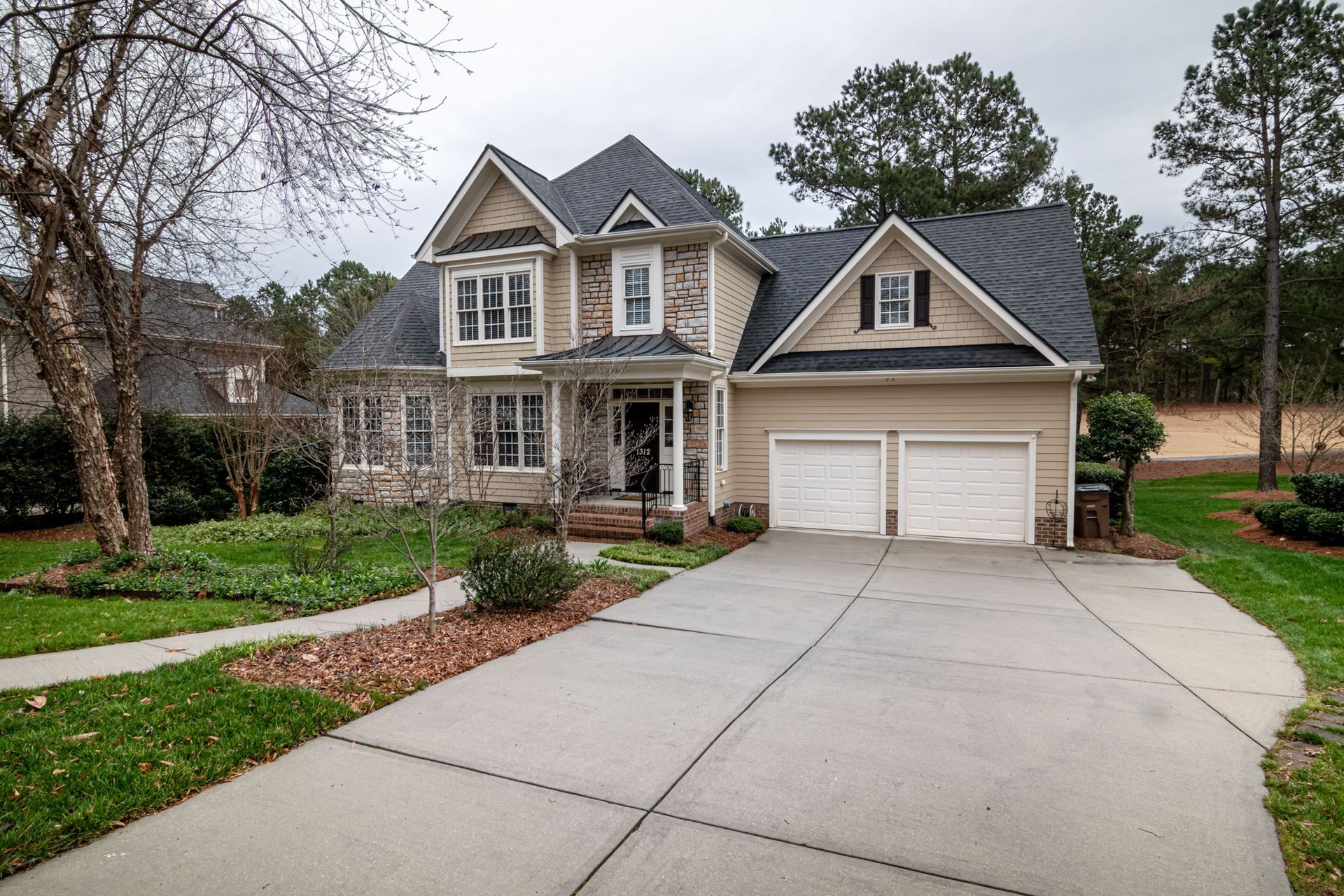
Elevate Your Chicago Home’s Efficiency
Investing in energy efficiency siding is one of the smartest decisions a Chicago homeowner can make. As we have seen through the science of ceramic microspheres and the data provided by academic research, not all house siding materials are created equal.
Rhino Shield provides a seamless, reflective, and insulating barrier that addresses the specific challenges of our local climate. By choosing a high-performance exterior paint coating, you are protecting your home from the elements while ensuring your energy dollars aren’t being wasted.
If you’re ready to stop the cycle of repainting and start enjoying a more comfortable, energy-efficient home, it’s time to explore the siding options that actually work. Rhino Shield is the best siding for houses in the Midwest—proven by science, and built to last.
For more details on our process, visit our Exterior Coatings page or read the full National Energy Analysis.
The post Stop the Energy Leak: Why Utility Savings Potential is Right Outside Your Wall appeared first on Rhino Shield of Chicagoland.