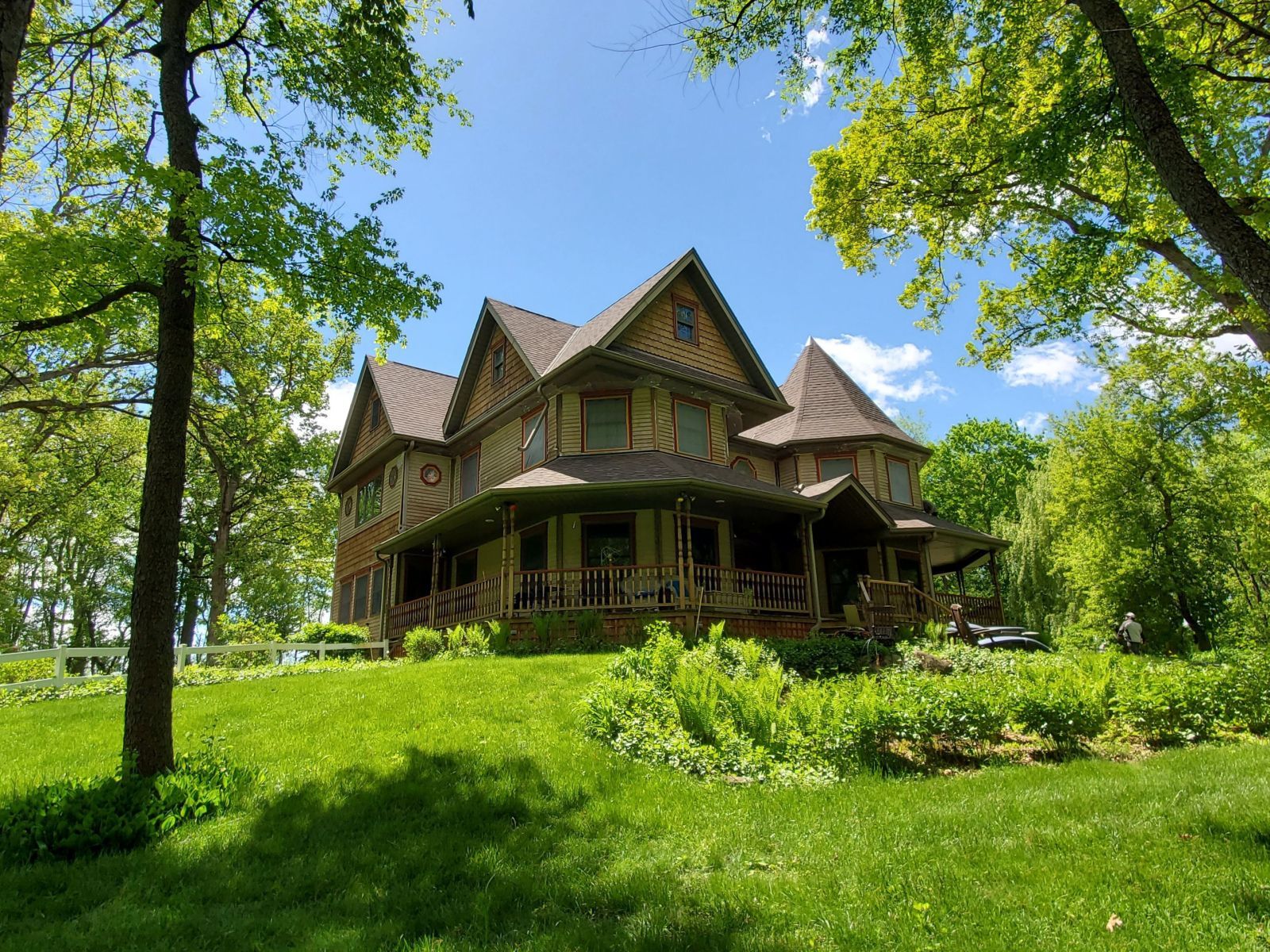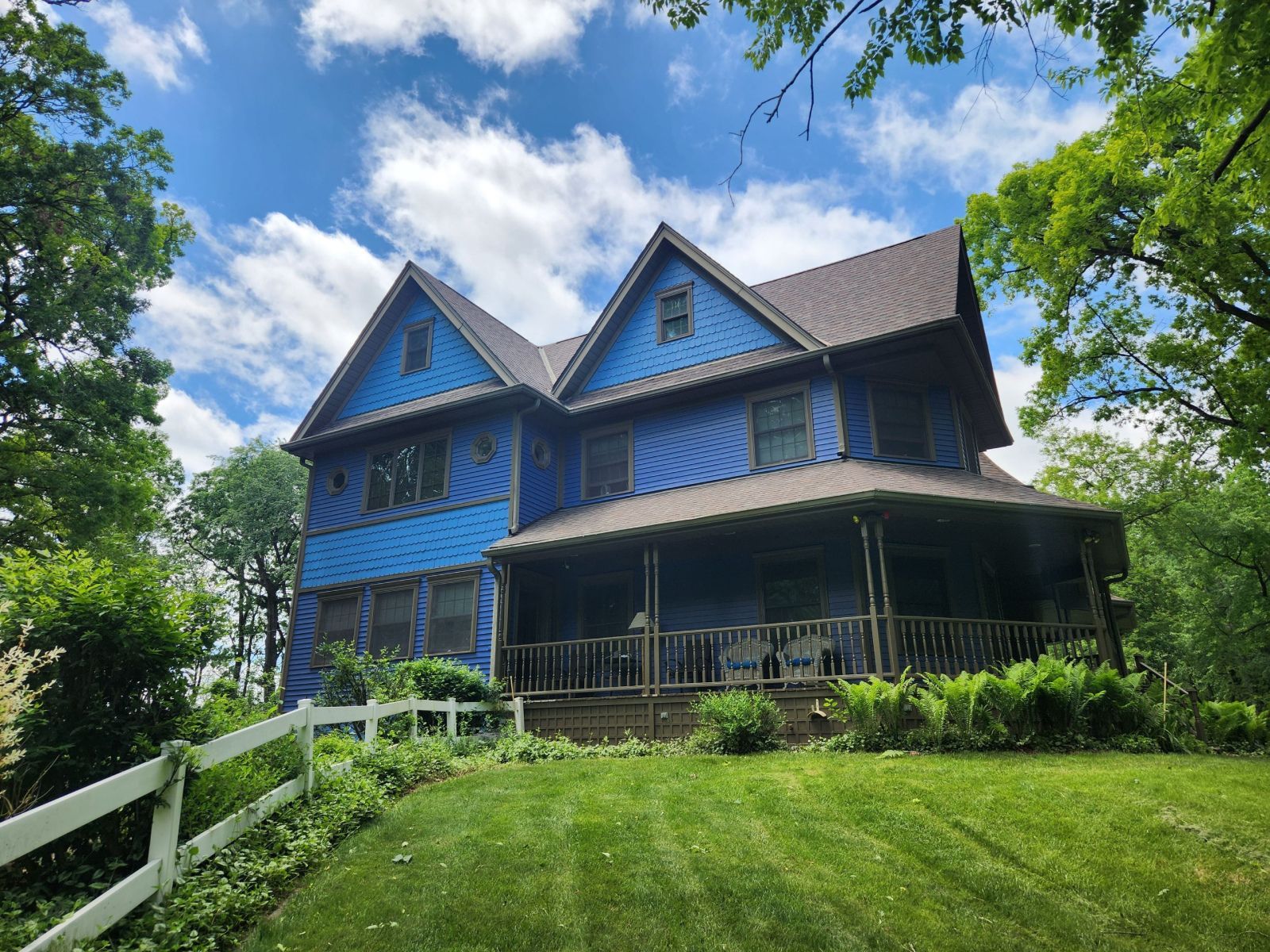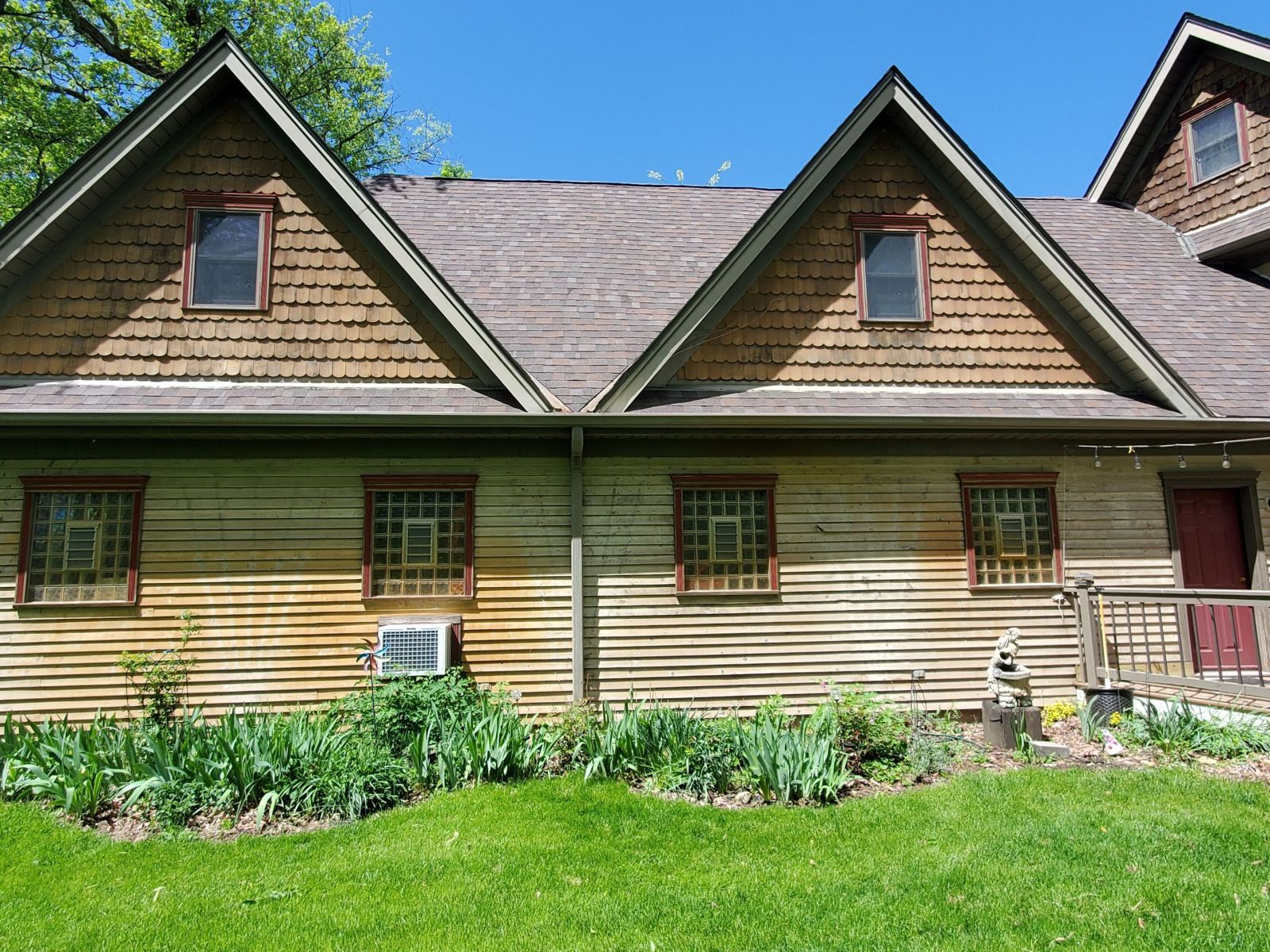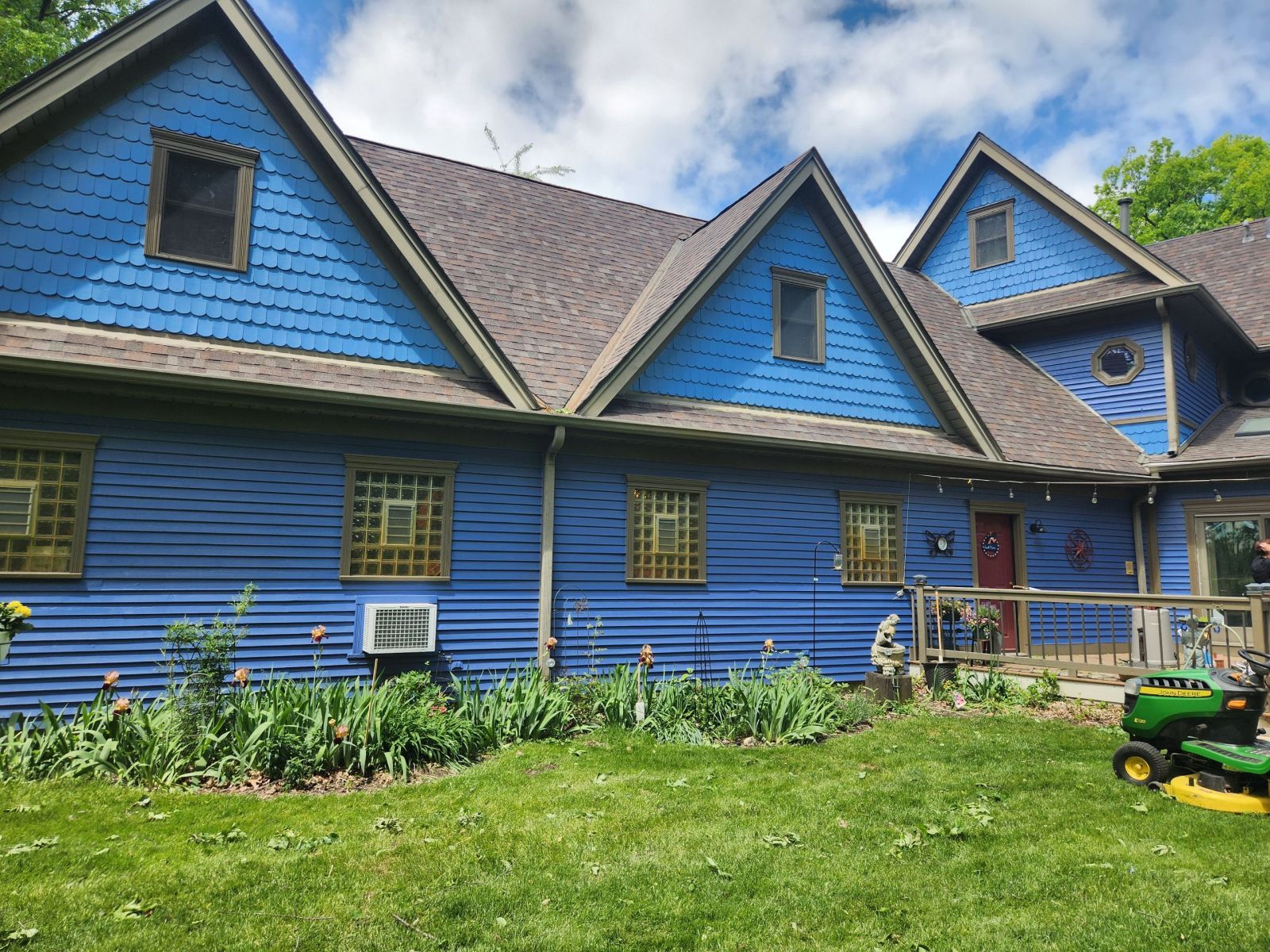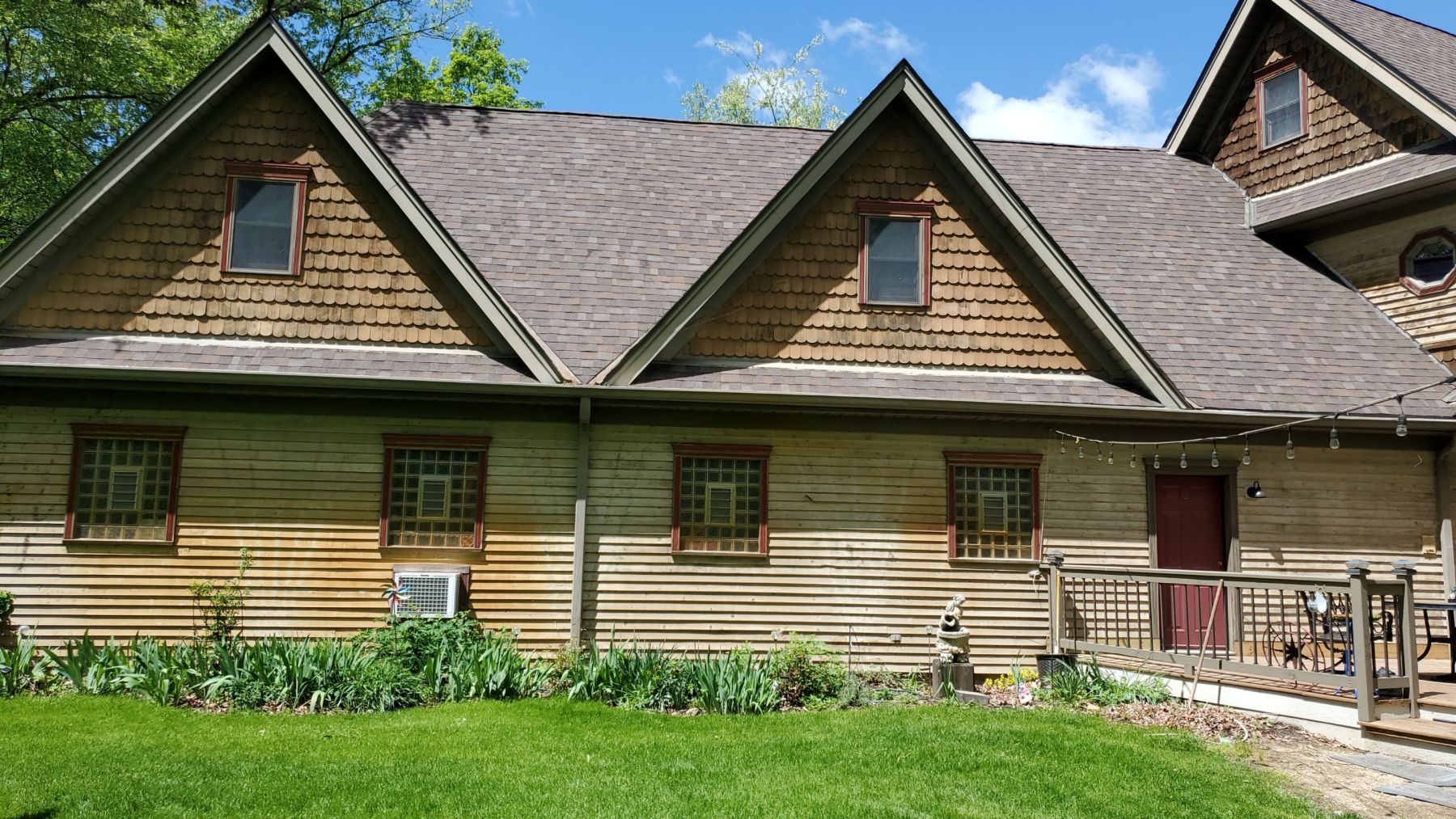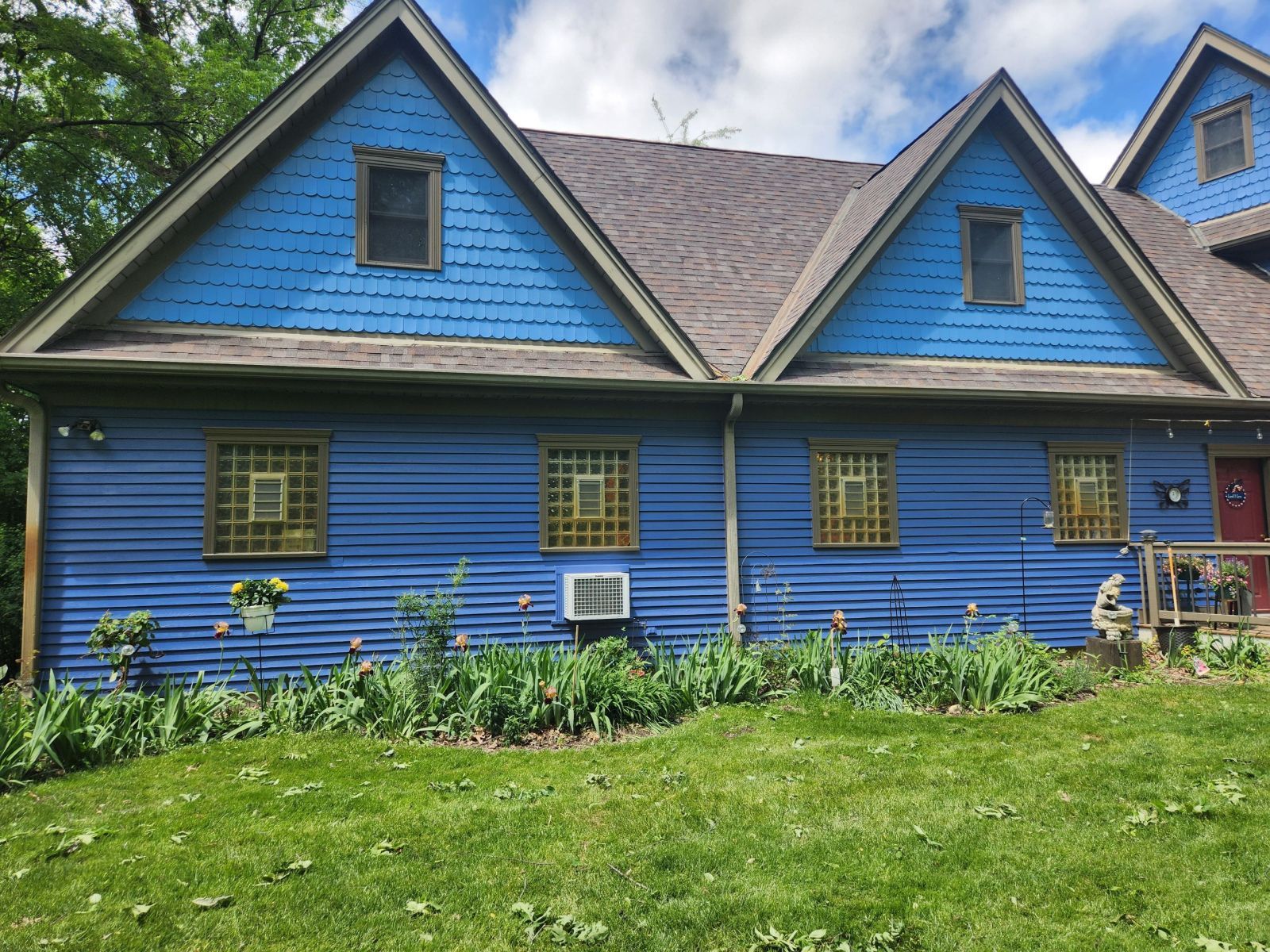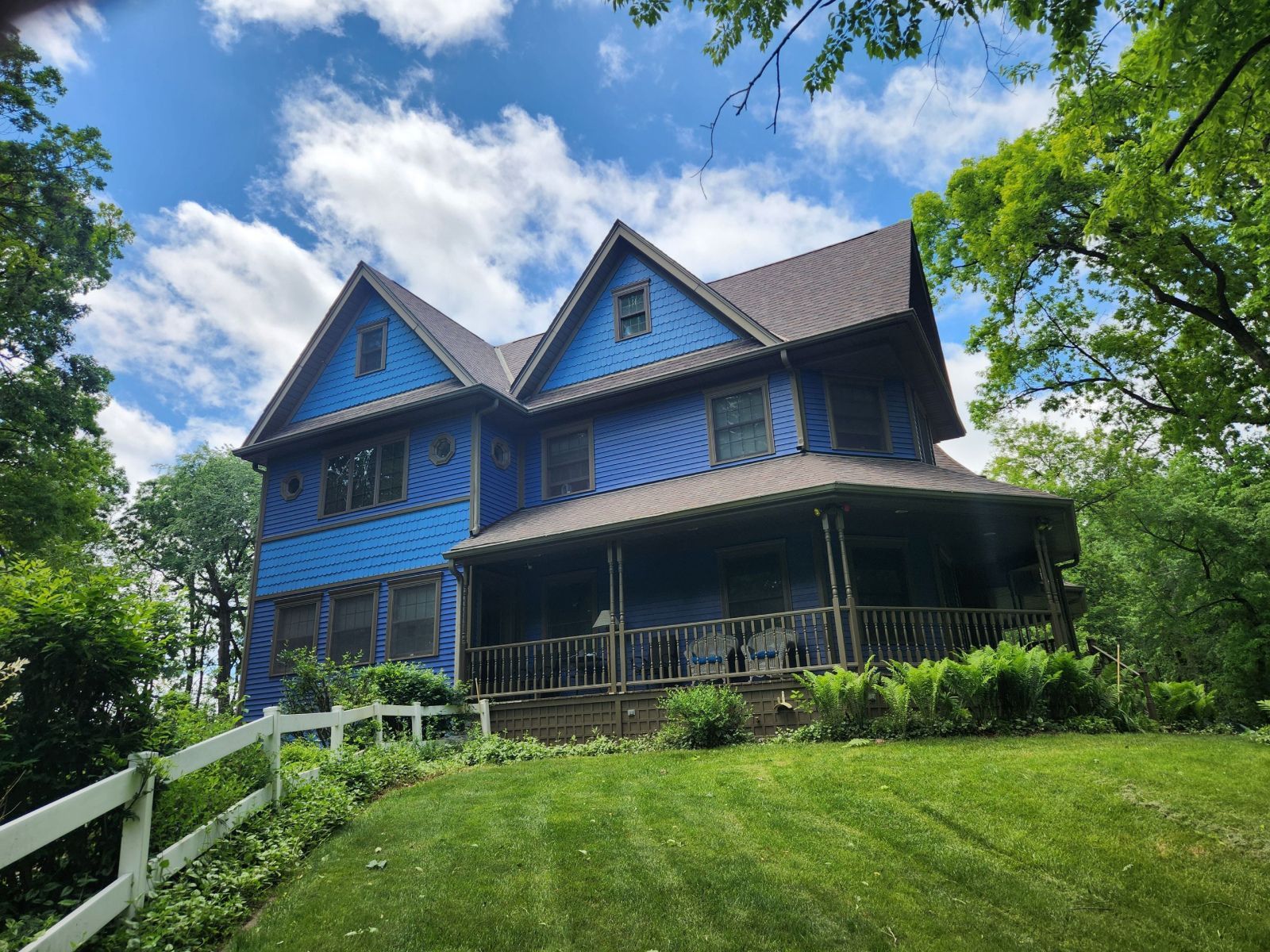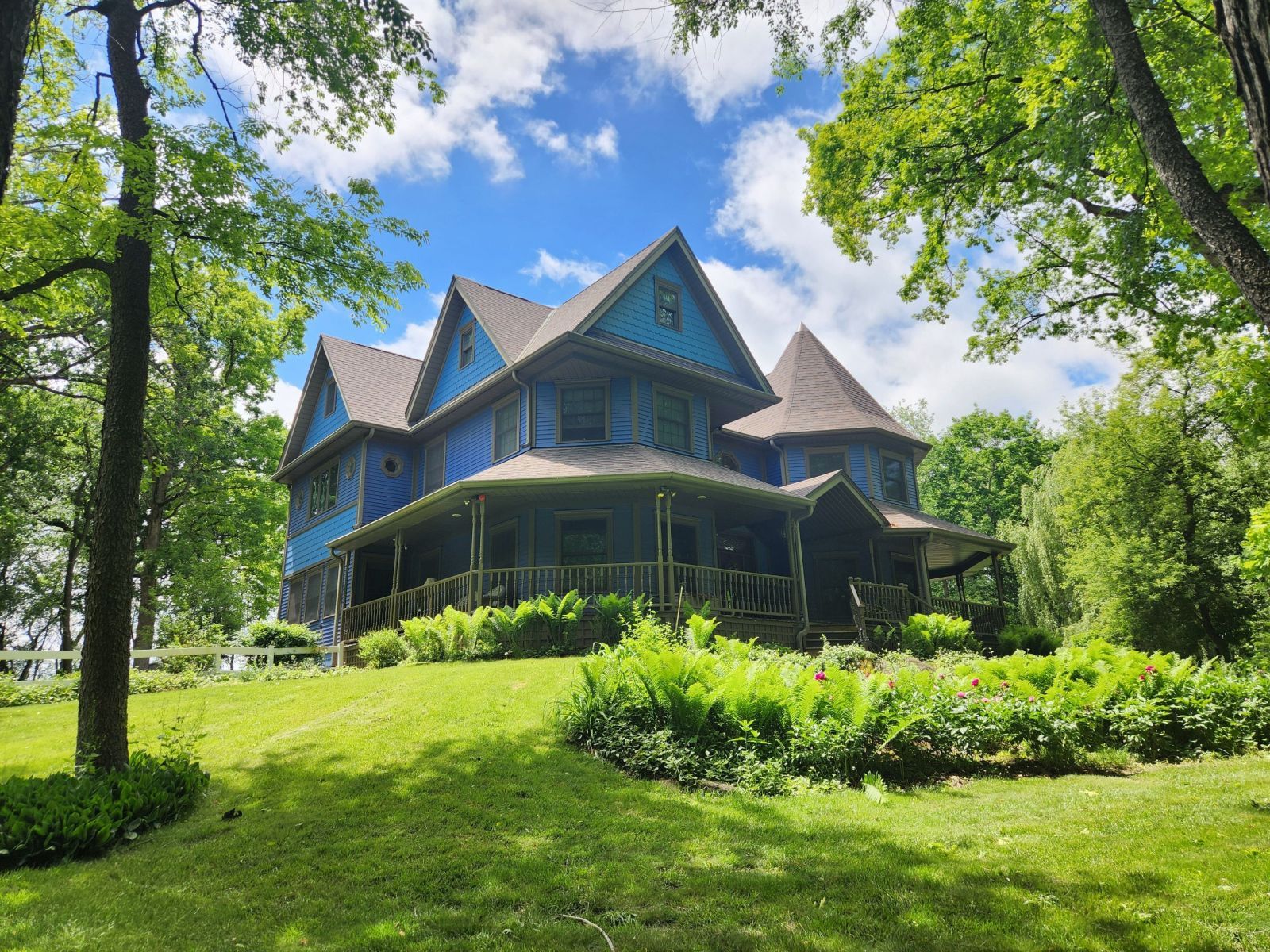
HISTORIC BUILDING PAINTING
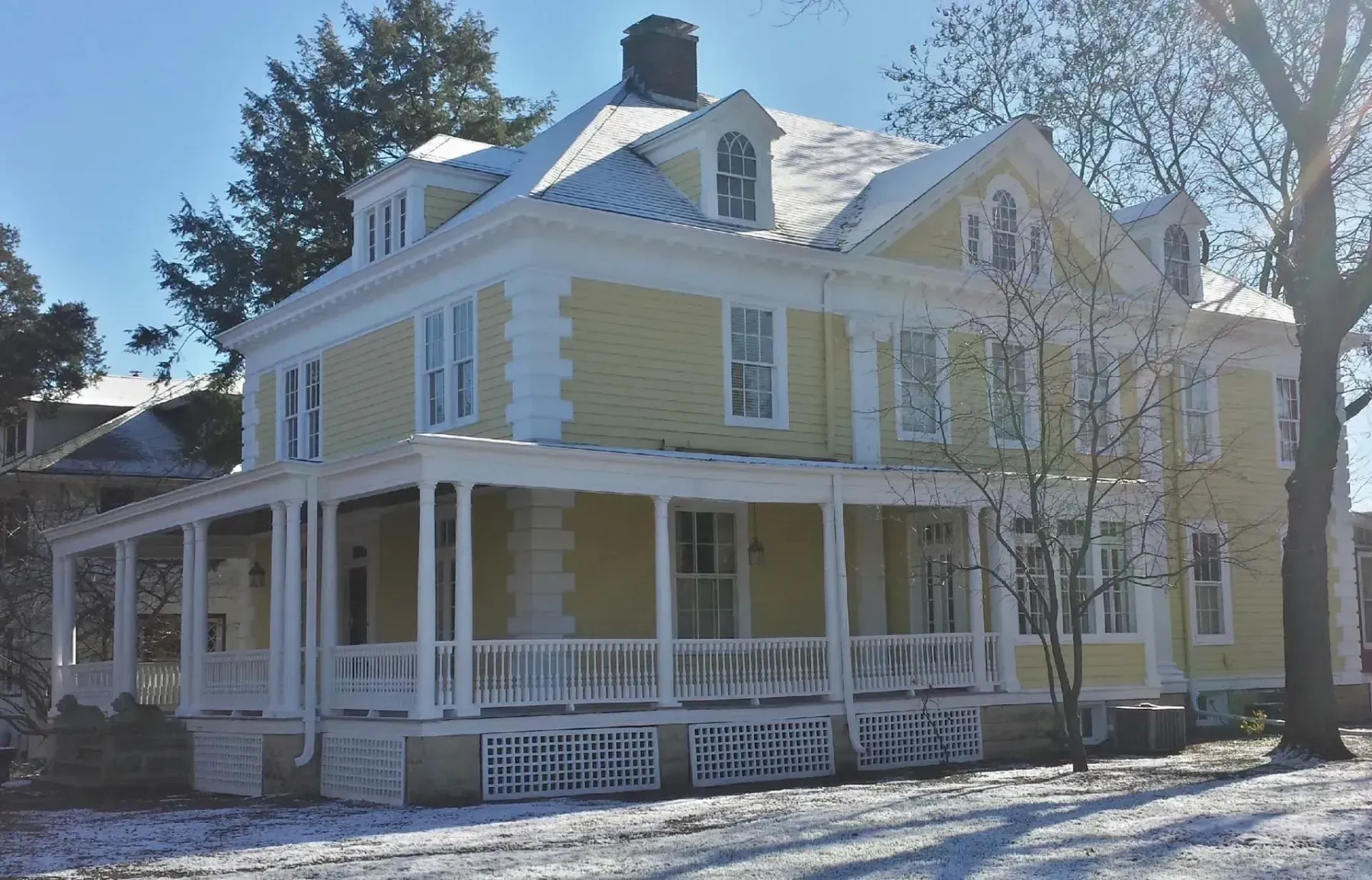
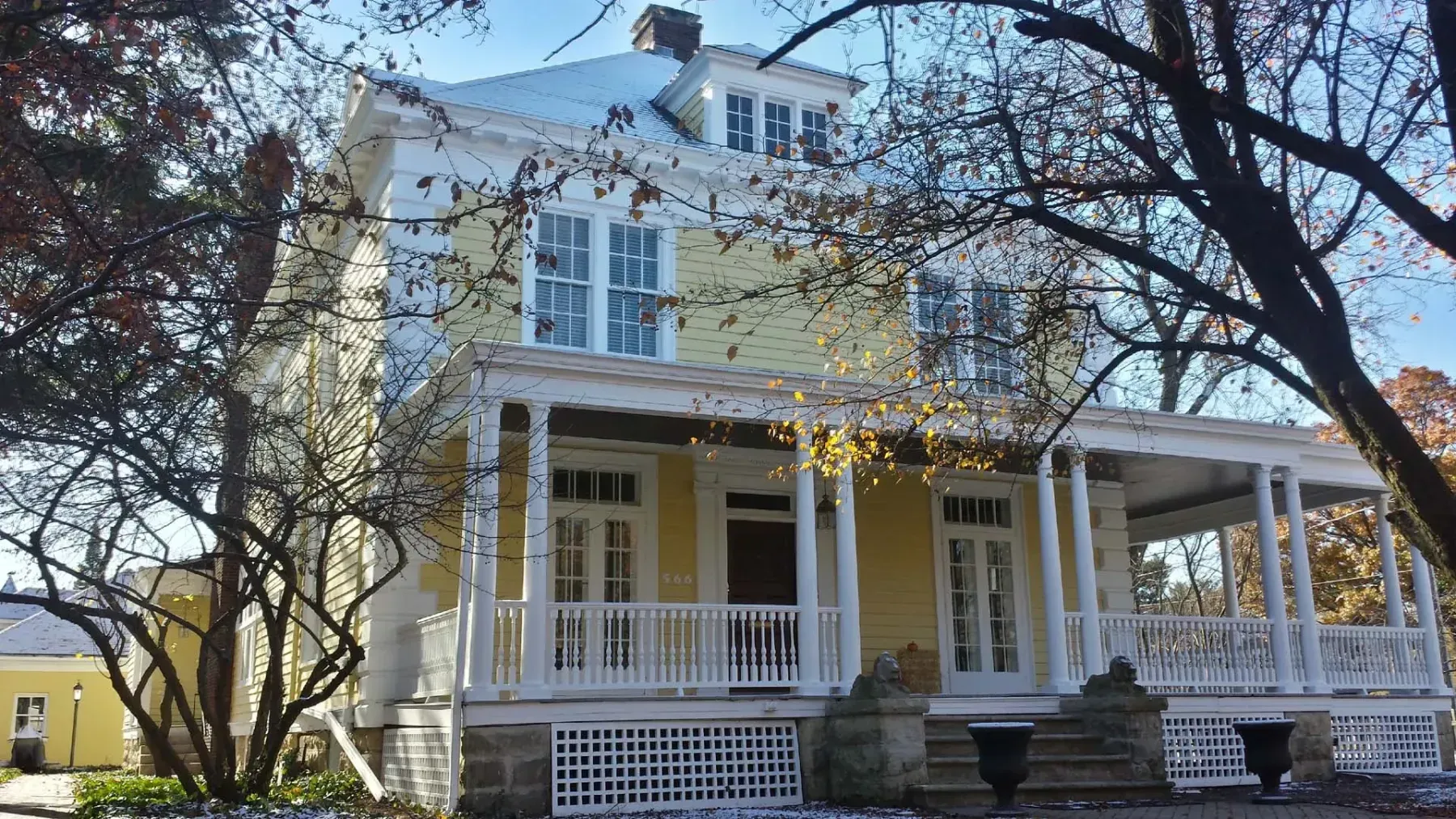
Historical homes in the Chicago area are built differently—and they need to be protected differently. The century-old brick, wood, stucco, and metal on a classic historical building exterior respond to coatings in ways that modern vinyl or fiber cement siding simply don’t.
Apply the wrong product or skip the prep work, and you risk trapping moisture, cracking original masonry, or peeling off finish layers that took decades to build up. Get it right, and your historical exterior will look better than it has in a generation—and stay that way for decades.
"The Rhino Shield Difference: Rhino Shield of Chicagoland specializes in premium exterior ceramic coatings for historical homes and commercial buildings across Cook, Lake, DuPage, and Kane counties. Our work is backed by an industry-leading 25-year transferable warranty."
Why a Historical Building Exterior Requires a Specialized Approach
The core challenge with choosing a historical home paint isn’t just the age of the building. It’s that these structures were built with heritage materials and craftsmanship methods that no longer exist today—and standard modern latex paints weren’t formulated to protect them.
Original-Growth Wood Trim: Denser and more moisture-resistant than modern lumber, but highly brittle after a century of seasonal expansion. A rigid, low-grade paint will crack at the joints, leading to hidden wood rot.
Porous Historical Brick: Older brick needs to “breathe” to release moisture. Sealing it with non-breathable exterior paint traps water. In a harsh Chicago winter, this causes freeze-thaw damage, making the face of your brick spall and crumble.
Traditional Plaster Stucco: Pre-1950 three-coat stucco possesses unique flexibility characteristics. Painting over hairline cracks without specialized elastomeric prep simply seals the underlying damage out of sight.
Architectural Metal Elements: Copper gutters, tin cornices, and ornamental ironwork require specialized adhesion primers. Standard retail paints fail to bond long-term to these substrates, leading to rapid peeling..
What Chicago’s Climate Does to Historical Home Paint
The Chicago metro experiences intense weather extremes. Cook, Lake, DuPage, and Kane counties frequently see a 70-degree temperature swing between a January freeze and a July afternoon. This volatility aggressively degrades standard exterior paint finishes on older properties.
What Chicago’s Climate Does to Historical Home Paint
The Chicago metro experiences intense weather extremes. Cook, Lake, DuPage, and Kane counties frequently see a 70-degree temperature swing between a January freeze and a July afternoon. This volatility aggressively degrades standard exterior paint finishes on older properties.
Key Environmental Threats to Your Historical Exterior:
- Freeze-Thaw Cycling: When water penetrates porous brick or historic stucco and freezes, it expands by roughly 9%. This immense force easily cracks original lime-based mortar joints and lifts traditional paint films right off the surface.
- UV Degradation: Intense sun exposure breaks down the chemical binders and pigments in traditional paint, causing chalking, fading, and brittleness—particularly on south- and west-facing elevations.
- Humidity Cracking: High summer humidity causes historical wood to swell, followed by contraction in dry winter air. This continuous movement destroys rigid paint films at joints and corners.
The Solution: Rhino Shield’s elastomeric ceramic coating is engineered specifically to withstand these regional stresses. The formula stretches and contracts to bridge hairline cracks while microscopic ceramic spheres reflect destructive UV rays away from your home.
Our Architectural Preservation & Coating Process
We don’t treat a historical landmark like a standard subdivision house. Cutting corners on prep work is exactly how historical exterior coatings fail. We utilize an intensive, protective application method to ensure long-term preservation.
Our 11-Step Surface Preparation & Application Includes:
- Comprehensive Surface Assessment: Inspecting every substrate to isolate wood rot, failing masonry, or moisture issues before any coating is applied.
- Calibrated Pressure Washing: Using lower, safe PSI levels specifically adjusted to protect fragile historical brick and aged stucco.
- Elastomeric Custom Caulking: Sealing seams with premium sealants that remain flexible through intense temperature swings.
- Vapor-Permeable Priming: Utilizing a specialized primer system that allows crucial vapor transmission while forming a powerful bond with the ceramic topcoat.
- Historical Color Matching: Matching your target colors exactly, whether from original estate documentation or local historical district guidelines.
Common Historical Architecture We Service in Chicagoland
We regularly preserve the architectural integrity of diverse historical building designs throughout the Chicago suburbs:
| Property Style & Location | Common Substrate Challenges | Rhino Shield Targeted Solution |
|---|---|---|
| Victorian Homes (Oak Park, Evanston, Beverly) | Intricate wood trim profiles, decorative columns, and horizontal water-collecting details. | Tedious hand-prep and complete seal protection over complex architectural details. |
| Brick Foursquares & Colonials (North & Northwest Suburbs) | Aged, delicate mortar joints frequently damaged by non-breathable modern paints. | Breathable ceramic system that prevents freeze-thaw spalling and masonry decay. |
| Multi-Material Estates (Barrington Hills, Inverness) | Complex blends of brick, wood, stucco, and decorative stone on a single elevation. | Material-specific primer coatings tied together with a visually uniform ceramic topcoat. |
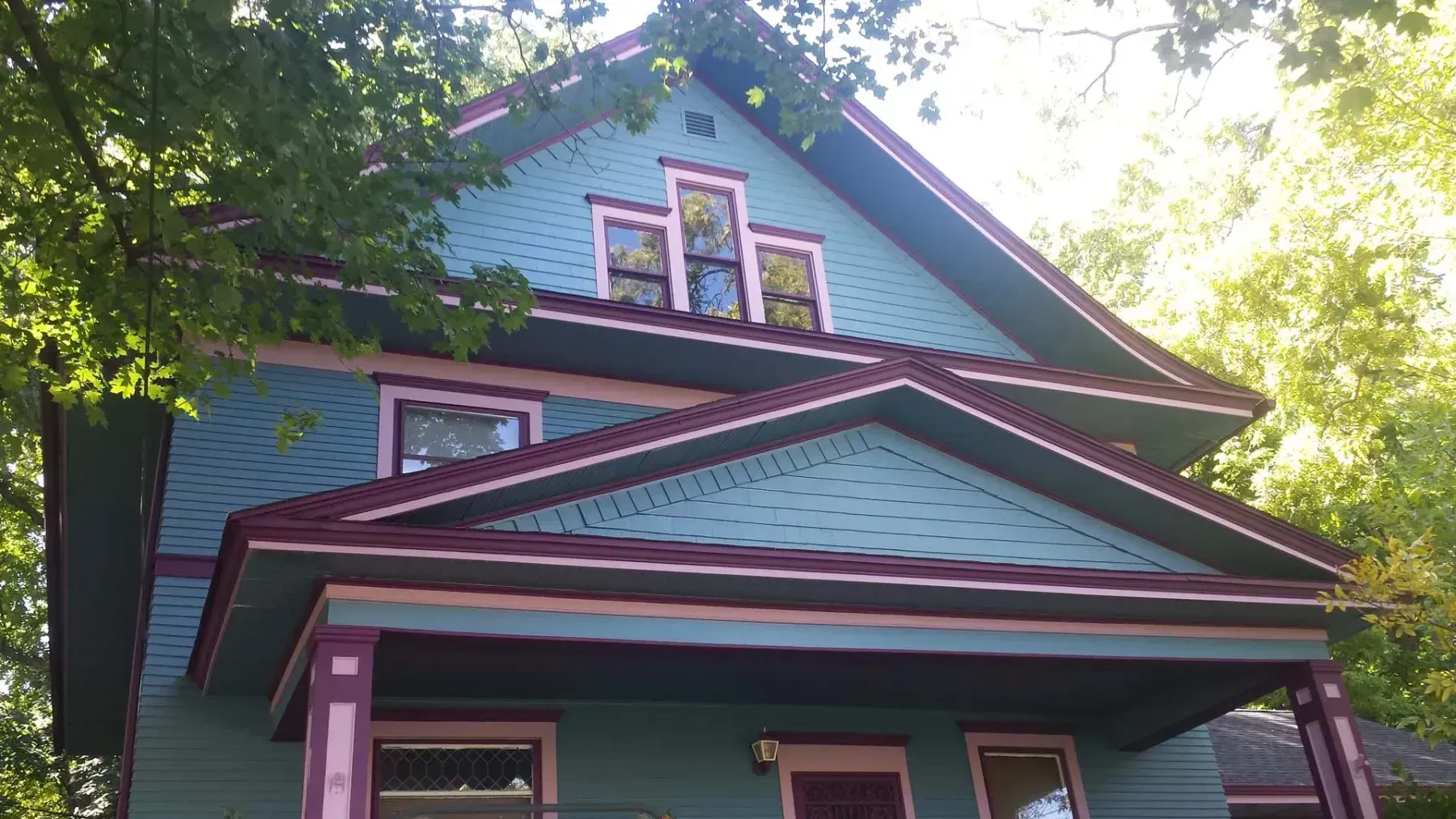
| Craftsman Bungalows (Riverside, La Grange) | Wide wood soffits, exposed rafter tails, and deep porch column transitions vulnerable to moisture. | Targeted elastomeric sealing at critical joints to stop moisture infiltration. |
The Long-Term Math: Why Ceramic is the Best Historical Home Exterior Paint Choice
Painting a historical building exterior correctly is an investment. The detailed prep work, structural assessments, and delicate multi-step priming require skilled labor. Because of this, traditional paint jobs often trap owners in an expensive 5-to-10-year repaint cycle.
Rhino Shield breaks that cycle entirely. One expert application provides a beautiful finish backed by a 25-year transferable warranty covering both materials and labor. If you sell your property, the warranty transfers to the next owner—adding documented market value in neighborhoods where buyers pay a premium for perfectly maintained historical character.
Frequently Asked Questions About Historical Home Paint & Coatings
Will a ceramic coating work on my original brick?
Yes, with proper preparation. Historic brick is softer and more porous than modern brick, so our preparation process—including cleaning, moisture assessment, and appropriate priming—is critical. We use a highly breathable primer system specifically engineered for historical building exteriors that allows water vapor to escape rather than trapping moisture behind the coating.
My historical home has multiple exterior materials. Can you coat all of them?
Yes. Rhino Shield bonds securely to brick, wood, stucco, metal, and fiber cement. Historical homes often feature multiple substrates on a single elevation. Each material receives surface-specific preparation and priming before the ceramic topcoat is applied, creating a beautiful, unified, and consistent finish.
Will this ceramic coating affect my home’s historic designation or tax credits?
We recommend checking with your local historic preservation commission. Exterior coatings are generally permissible, as local guidelines typically focus on preserving architectural form, original materials, and reversibility rather than prohibiting protective maintenance coatings. We can provide complete product specifications for your preservation officer.
My home has peeling paint and some wood rot. Do I need to fix that first?
Yes. A ceramic coating applied over failing surfaces or rotted substrates will not fix the underlying structural issue. During our initial estimate, we identify any areas requiring physical repair. We coordinate these repairs seamlessly as part of the overall project scope so that the coating is applied to an structurally sound, pristine surface.
Can you match the original historical home paint colors?
Absolutely. We offer hundreds of colors in the Rhino Shield library and can precisely match historical color palettes from common preservation reference systems to maintain your home’s authentic architectural character.
How long does a historical coating project take?
Because historical building exteriors demand more comprehensive preparation than modern construction, a typical project runs between 3 to 7 days. This varies depending on the size of the home, architectural complexity, and any necessary structural repairs. We provide a definitive timeline during your estimate.
Get a Free Surface Assessment & Estimate for Your Historical Home
Ready to end the continuous repainting cycle on your Cook, Lake, DuPage, or Kane County property? Our team will provide a comprehensive, no-obligation exterior assessment—walking you through the exact prep work and specialized coating solutions your home deserves.
Call us today at (630) 984-4440 or fill out our online request form to schedule your consultation.