Hardie Plank Painters in Chicago: Why Fiber Cement Needs More Than Regular Paint
Most homeowners with fiber cement siding eventually start searching for hardie plank painters in Chicago — and most of the time, they end up with standard exterior paint that peels within five years. The problem isn't the painter's skill. It's the product.
What Makes Hardie Plank Different From Wood Siding
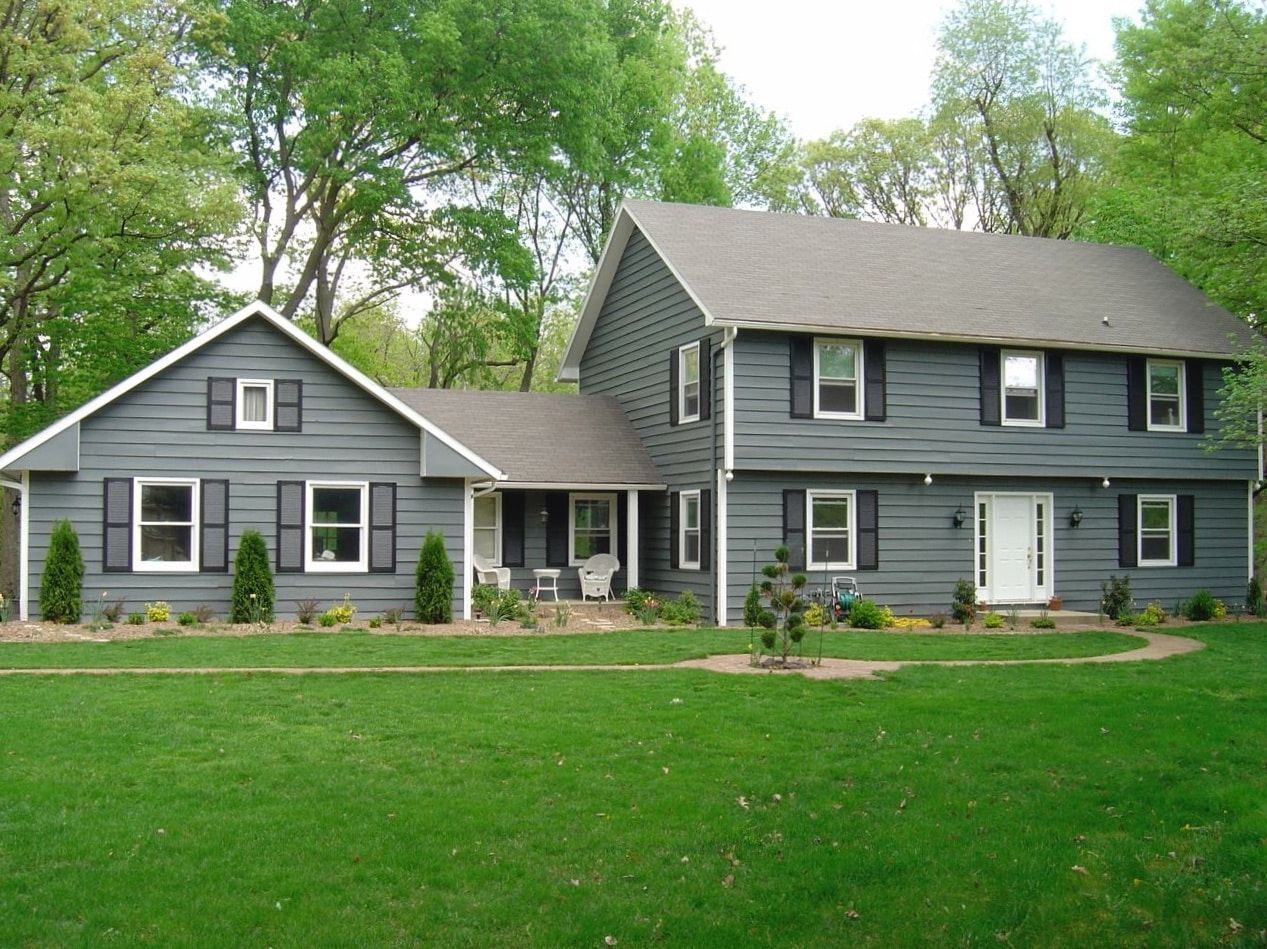
Hardie Plank is fiber cement — a mix of Portland cement, sand, and cellulose fibers — and it behaves differently than wood or vinyl. Unlike wood, it doesn't rot. Unlike vinyl, it doesn't warp badly in heat. But it does absorb and release moisture seasonally, which creates an ongoing expansion-contraction cycle that most exterior coatings can't keep up with.
Wood siding swells predictably with grain direction. Fiber cement moves more uniformly across the board face, and that movement is subtle but relentless, especially through a Chicago winter. Standard latex or acrylic paint bonds well at application but starts to lose adhesion at the cut edges and lap joints first — often within two or three freeze-thaw cycles.
Why Regular Paint Fails on Hardie Plank
Standard exterior paint fails on Hardie Plank for two connected reasons: film thickness and flexibility. A typical paint coat goes on at 3–4 mils dry film thickness. That's thin enough that minor surface movement — thermal expansion on a July afternoon, moisture absorption after a rainstorm — creates micro-cracks that let water in behind the film.
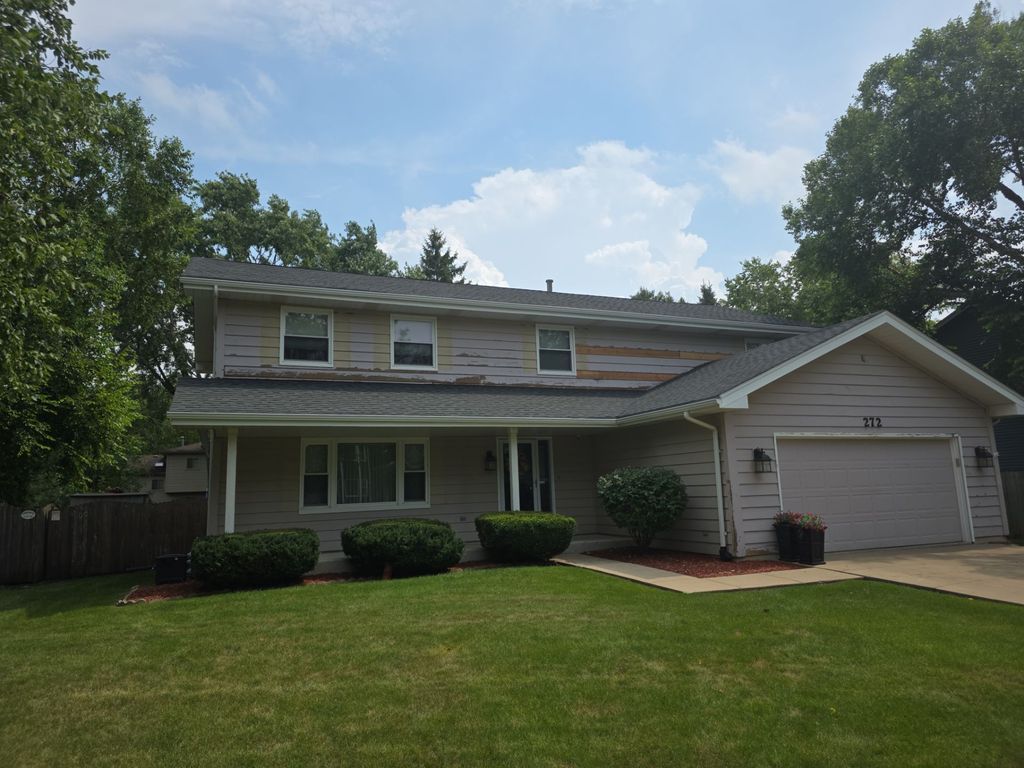
Once water gets behind paint on fiber cement, the paint lifts. You'll see it first at the bottom edges and horizontal laps. Then it bubbles. Repainting fixes the appearance temporarily, but you're back to the same problem because you haven't changed what's underneath.
The factory finish on new Hardie Plank is actually a baked-on primer, not a finish coat — James Hardie themselves recommend a 100% acrylic topcoat, reapplied every 5–7 years. That's the manufacturer's own guidance. A ceramic coating applied at 8–10 mils dry film thickness changes that maintenance equation entirely.
What to Look for in a Hardie Plank Painter
Not every exterior painter understands fiber cement. Before you hire, ask these questions directly:
What product are you applying, and what's the dry film thickness? If they can't answer the second question, they're not thinking about it.
How do you prep the cut edges and factory primer? Cut edges on Hardie are raw cement — they absorb moisture aggressively and need to be back-primed before any topcoat. Many painters skip this step.
What warranty does your application carry, and who backs it? A 3–5 year labor warranty from a small painting company isn't the same as a 25-year transferable product warranty.
Have you coated fiber cement before? Ask for references specifically for Hardie Plank or fiber cement jobs, not just general exterior painting work.
How Rhino Shield Coats Hardie Plank in Chicagoland
Rhino Shield's ceramic coating system applies at 8–10 mils dry — roughly eight times thicker than standard exterior paint — and it's formulated to flex with the substrate rather than fight it. The ceramic microspheres in the coating reflect UV radiation and reduce surface temperature, which cuts down on the thermal expansion that stresses thin paint films.
For Hardie Plank specifically, the prep process matters as much as the product. We back-prime all cut edges before application, clean and profile the factory primer, and apply the system in multiple coats. The finished surface is waterproof at the film level, not just water-resistant.
We work throughout Cook, Lake, DuPage, and Kane counties — Naperville, Wheaton, Elmhurst, Schaumburg, Evanston, and everywhere in between. Take a look at all the surfaces we coat, from fiber cement to brick to stucco. Illinois weather is hard on exterior coatings, and that's exactly what the Rhino Shield system was built for.
Signs Your Hardie Plank Needs Recoating
If your fiber cement siding shows any of these, the existing finish is failing:
- Peeling or flaking at the edges or laps — moisture is already behind the paint film
- Fading or chalking — UV degradation of the binder
- Visible caulk shrinkage at joints — the whole system is drying out
- Water staining below windows or on the lower boards — water is tracking behind the siding
Catching it early matters. Once moisture works behind the factory primer, you may be looking at more than a recoat — you could need board replacement on the affected sections.
Frequently Asked Questions
What's the best paint for Hardie Plank siding?
James Hardie recommends a 100% acrylic exterior paint, reapplied every 5–7 years. For longer-lasting protection, a ceramic elastomeric coating — applied at 8–10 mils dry film thickness — bonds more securely to fiber cement, flexes with seasonal moisture movement, and typically carries a 25-year warranty rather than a 5–7 year repaint cycle.
How often does Hardie Plank need to be repainted?
With standard exterior paint, most fiber cement siding needs repainting every 5–7 years — James Hardie's own guidance. With a ceramic coating system, that cycle extends to 25+ years with a transferable warranty. The difference is dry film thickness and the flexibility of the coating formula.
Why does paint peel on Hardie Plank siding?
Paint peels on Hardie Plank because fiber cement absorbs and releases moisture seasonally, causing slight expansion and contraction. Thin paint films (3–4 mils) can't flex with that movement and eventually lose adhesion, especially at cut edges and laps. Thicker, more flexible coatings bond differently and hold up better through Chicago freeze-thaw cycles.
Do I need to prime Hardie Plank before painting?
New Hardie Plank comes with a factory-applied primer, but that primer is designed as a base coat, not a finish. All cut edges — from trimming during installation — need to be back-primed before any topcoat goes on. Skipping that step is one of the most common reasons fiber cement paint fails prematurely.
How do I find a qualified Hardie Plank painter in Chicago?
Ask specifically about fiber cement experience, not just exterior painting. Request references for Hardie Plank or fiber cement jobs. Find out what product they're using and its dry film thickness. A qualified hardie plank painter in Chicago should be able to explain their prep process for cut edges and tell you what warranty the finished system carries.
Ready for a coating that lasts 25 years on your Hardie Plank siding? Get a free quote from Rhino Shield of Chicagoland — call (630) 984-4440.