Exterior Painters Chicago: What Separates a Great Hire From a Costly Mistake
Category
Chicago has no shortage of exterior painters. On any given weekend in spring or summer, you can find a dozen flyers on telephone poles, five quotes in your inbox after a single Angi search, and at least one neighbor who knows a guy. The hard part isn’t finding someone who’ll paint your house — it’s figuring out which ones will still be around when the paint starts peeling in three years, and which ones actually deliver work that lasts.
This is especially true in a climate like Chicago’s, where an exterior coating has to survive 30-below wind chills, 90-degree summer humidity, freeze-thaw cycles that crack concrete, and UV exposure intense enough to fade a car’s finish in a single season. The margin between a good exterior paint job and a bad one isn’t just aesthetics — it’s years of performance and thousands of dollars in repeat costs.
Why Chicago’s Climate Makes Exterior Paint Selection Critical
Most exterior paint is rated for temperate climates. The manufacturers test for moderate temperature swings, reasonable humidity, and normal UV exposure. Chicago is none of those things. The city routinely ranks among the most demanding climates in the country for exterior coatings — not because of any single extreme, but because of the constant cycling between extremes.
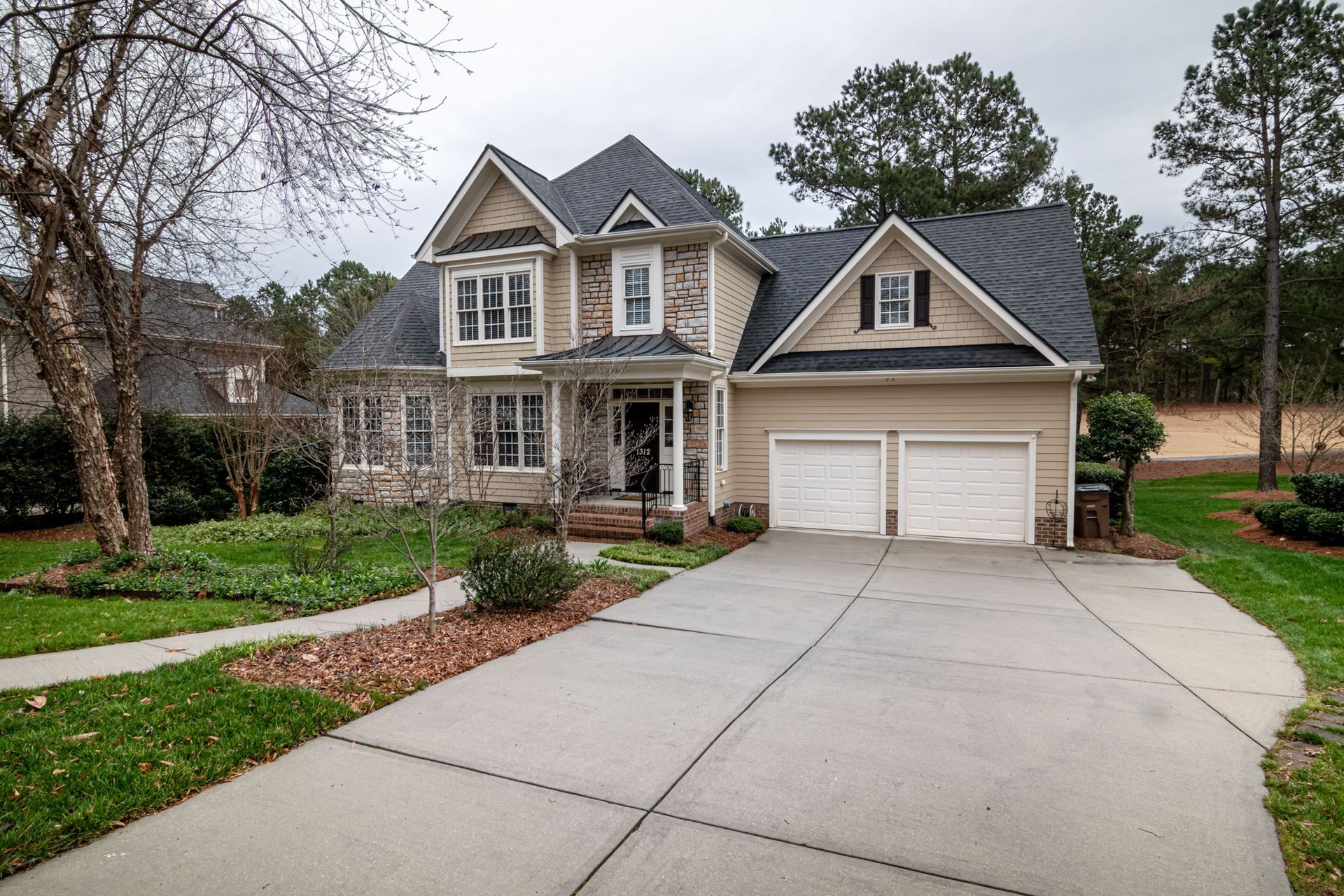
A surface that hits 140°F on a July afternoon (standard for dark-colored south-facing siding in direct sun) and then drops to 10°F in January has gone through more than 130 degrees of thermal change. Standard paint film cannot flex through that range indefinitely. It embrittles, micro-cracks, and eventually fails — usually starting at the edges, seams, and any place where two materials meet.
The Painting and Decorating Contractors of America recommends specifying coatings for the climate zone of the project, not just the generic conditions listed on the label. In Chicago, that means seeking out products engineered specifically for high-cycle temperature environments — not just whatever was on sale at the paint counter.
What Legitimate Exterior Painters in Chicago Actually Do
There’s a real difference between exterior painters who approach the job as a craft and those who treat it as a volume business. The craft-focused approach looks like this:
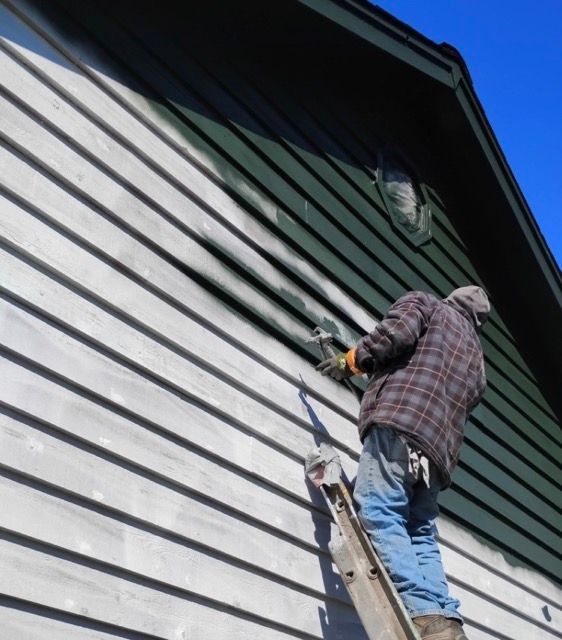
- Thorough surface preparation — pressure washing, scraping, caulking gaps and cracks, and priming bare wood before any coating is applied. Prep work accounts for most of the labor on a quality exterior paint job, and it’s also the first thing skipped when someone is rushing to the next job.
- Product selection matched to the substrate — wood, vinyl, aluminum, brick, stucco, and fiber cement all have different expansion rates and surface characteristics. Using the same product on all of them isn’t smart — it’s lazy.
- Proper application conditions — paint applied in direct sun above 90°F, or when rain is forecast within 24 hours, won’t cure correctly regardless of product quality. Professional crews schedule around weather, not around the fastest possible completion date.
- A final inspection before calling the job done — not because the painter wants to find problems, but because finding them at the end is far cheaper than getting a callback six months later.
The Question Every Chicago Homeowner Should Ask: Paint or Coating?
When you’re getting estimates from exterior painters, the first real differentiator isn’t price — it’s what they’re proposing to apply. Traditional exterior paint and a ceramic coating system are completely different products with completely different performance profiles.
Paint is a surface application that needs to be renewed every 5-7 years in harsh climates. A ceramic elastomeric coating like Rhino Shield bonds at a deeper level, moves with the structure as it expands and contracts, and is engineered to last 25 years or more with proper application. The cost is higher upfront. The math over two or three paint cycles is not.
Jim and Marilyn H made exactly this calculation after having their home coated by Rhino Shield of Chicagoland:
“We are very, very happy with the results and the service provided by Rhino Shield. Our house looks incredible. I’m sure it has added much more value than what we paid for the service. The workmen were very professional and courteous, and totally cleaned up after themselves.”
— Jim and Marilyn H, Rhino Shield of Chicagoland customers
That phrase — “added much more value than what we paid” — is the frame that changes the conversation from cost to investment.
Red Flags When Hiring Exterior Painters in Chicago
There are a few consistent warning signs that a low bid will become a high regret:
- No written contract or scope of work — verbal agreements don’t hold up when you’re unhappy with the prep quality
- No mention of surface preparation — if the estimate only talks about paint and labor, ask specifically what the prep process involves
- Lowest bid by a wide margin — in exterior painting, someone is always cutting corners to get there
- No verifiable local reviews — a company that’s been doing quality work in Chicagoland will have a Google presence and reviewers you can actually look up
- No warranty on workmanship — confidence in the work shows up in whether the contractor backs it
Serving Cook County and the Greater Chicago Area
Rhino Shield of Chicagoland serves homeowners throughout Cook County and the broader Chicago metro area. Every project starts with a free in-person assessment of your home’s current exterior condition — not a price-per-square-foot number over the phone. That assessment determines what preparation your surface needs, what the application involves, and what the realistic long-term performance looks like for your specific home.
Schedule your free estimate here to learn more about what the coating process involves from start to finish.
Chicago weather will push your exterior. The right coating system pushes back.
The post Exterior Painters Chicago: What Separates a Great Hire From a Costly Mistake appeared first on Rhino Shield of Chicagoland.