The Science of Survival: Why Standard Wood Siding Painting Fails in Chicago (And What Works)
Category
There is nothing quite like the charm of a historic wood-sided home in the Greater Chicago area. From the cedar shakes of the North Shore to the painted clapboards of the western suburbs, wood offers an aesthetic warmth that vinyl simply cannot replicate. However, if you own one of these homes, you are intimately familiar with the “wood siding struggle.”
You scrape, you prime, you paint—and three years later, you watch in frustration as the cycle of peeling and cracking begins all over again.
Recent industry advancements in exterior coating durability highlight exactly why traditional painting methods are failing. The coating industry is moving toward higher-build, functional coatings that offer more than just color. When we analyze these advancements, the data points directly to the technology used in Rhino Shield exterior paint coatings as the superior solution for wood siding.
The “Thickness” Factor: Why Thin Paint Can’t Protect Wood
One of the primary metrics for durability discussed in coating technology is “film build.” Standard latex paint dries to a thickness of roughly 1 to 1.5 mils (about the thickness of a plastic grocery bag). In the harsh Chicagoland climate, this thin barrier is easily compromised by UV degradation and physical weathering.
Rhino Shield represents the next generation of coating advancements. It is engineered to be applied 8 to 10 times thicker than traditional paint [1, 2]. This isn’t just about bulk; it is about creating a substantial barrier separation between your wood siding and the elements.
- The Science: A thicker film build provides better resistance to erosion and physical impact.
- The Result: Your wood siding is encased in a durable shell that resists the abrasion of wind and ice, extending the life of the substrate beneath.
Elastomeric Technology: Moving with the Wood
Wood is an organic, “living” material. It is hygroscopic, meaning it absorbs and releases moisture from the air. In Chicago, where we swing from humid 90°F summers to sub-zero winters, your wood siding is constantly expanding and contracting.

This is where standard “wood siding painting” fails. Traditional acrylic latex paints become brittle over time. When the wood expands, the brittle paint snaps, creating hairline cracks. These cracks allow moisture to enter, leading to peeling and rot.
Rhino Shield utilizes elastomeric resins that allow the coating to remain flexible [1]. In independent ASTM testing for tensile strength and elongation, Rhino Shield demonstrated the ability to stretch significantly without breaking [3, 4]. This “breathable flexibility” allows the coating to move with your home rather than fighting against it, effectively bridging hairline cracks and preventing future peeling [5].
Advanced UV Protection: Ceramic Microspheres vs. Standard Fillers
Industry research into coating longevity identifies UV radiation as a primary enemy of exterior finishes. UV rays break down the chemical bonds in paint binders, causing color fade and chalking (that powdery residue you feel on old siding).
While standard paints use inexpensive mineral fillers like calcium carbonate (chalk), Rhino Shield employs ceramic microspheres [6]. This technology, adapted from aerospace advancements, offers two distinct benefits for wood homes:
- Durability: Ceramics are incredibly hard and resistant to breakdown, meaning the coating maintains its integrity for decades, not years.
- Solar Reflectance: These spheres reflect UV rays, lowering the surface temperature of your walls [7, 8]. This reduces the thermal shock your wood siding experiences, further stabilizing the substrate.
The Moisture Balance: Waterproofing vs. Breathability
For wood siding, moisture management is critical. You need to stop rain from getting in (hydrophobicity), but you must allow internal water vapor to escape (permeability). If a coating traps moisture, the wood will rot from the inside out.
Rhino Shield hits the “Goldilocks” zone of coating science. It passed the ASTM D6904 Wind-Driven Rain test with zero water penetration [9, 10], ensuring that Chicago’s famous storms stay on the outside. Simultaneously, it maintains a permeability rating (15.1 perms) that allows the wood to breathe naturally [11, 12].
The Verdict: An Investment in Longevity
When you look at the advancements in the coating industry, the trend is clear: successful exterior protection relies on high-build, flexible, and chemically stable materials. Traditional “wood siding painting” is simply an outdated maintenance model.
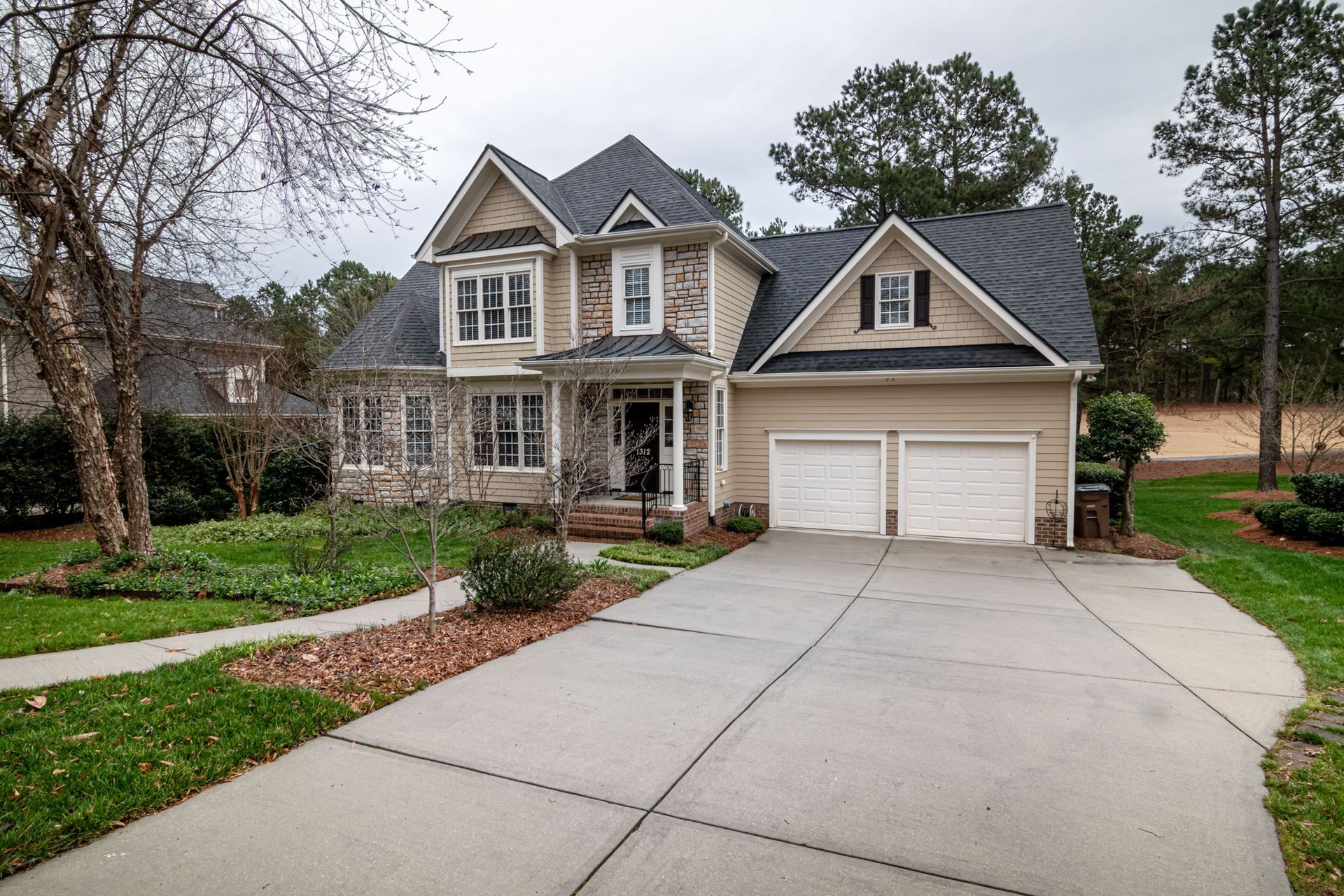
By choosing Rhino Shield, you aren’t just painting your house; you are engineering it to survive.
- 25-Year Warranty: Unlike the 2-year guarantee of standard painters, Rhino Shield offers a transferable 25-year warranty against cracking, chipping, and peeling [13].
- Class A Fire Rating: Advanced testing shows Rhino Shield has the highest fire safety rating, adding a layer of safety to wood structures [9, 14].
- Bio-Resistance: An EPA-registered three-part additive package prevents the growth of mold, mildew, and algae—a common plague on shaded wood siding [13, 15].
Stop renting your paint job every five years. Embrace the advancements in coating technology and protect your Chicago home for the long haul.
Ready to end the painting cycle? Request your free estimate today and see why Rhino Shield is the best choice for wood siding.
For more information on energy-efficient building materials and “cool wall” technology, visit the U.S. Department of Energy.