Brick Exterior Painters in Chicago: What Separates a Good Job From a Costly Mistake
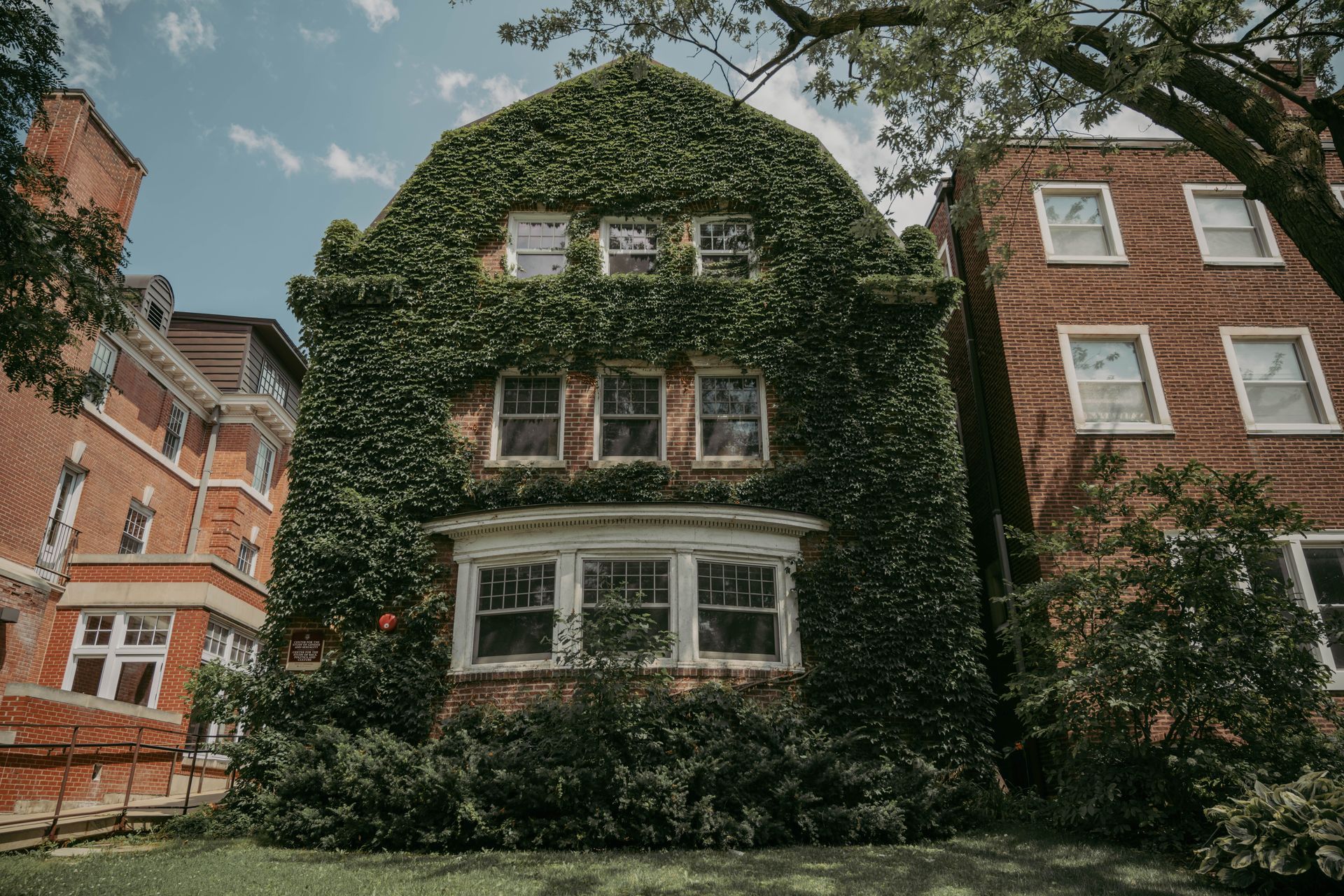
Finding brick exterior painters in Chicago isn't hard. Finding one who understands what brick actually needs — and what it absolutely cannot handle — is harder than most homeowners realize until they're dealing with spalling and mortar damage three years later.
What Brick Exterior Painting Actually Involves
Coating brick is not the same as painting wood siding or vinyl. Brick is a porous masonry material that absorbs water, holds moisture, and needs to release that moisture as vapor. Any coating applied to the surface has to account for that — or it'll fail, and potentially damage the brick in the process.
A proper brick exterior job starts with assessment. Is the mortar sound? Are there cracks in the brick faces? Is there existing paint that needs to come off, or efflorescence (salt deposits) that needs to be treated? Are there active water intrusion points above — gutters, window sills, roof drainage — that will push water against the wall no matter what you put on it?
None of that involves a paintbrush. It all happens before any coating goes on, and skipping it is why brick paint jobs fail. Understanding the basics of moisture and air sealing helps explain why prep work is the most important part of any exterior masonry project.
The Moisture Problem Most Painters Miss
Here's the issue that separates qualified brick exterior painters from everyone else: brick needs to breathe.
Masonry contains residual moisture that moves as vapor — outward in dry conditions, inward when it's raining. A non-breathable coating (standard exterior latex paint, for example) stops that vapor movement. Moisture gets trapped inside the masonry. In a Chicago winter, that moisture freezes inside the brick pores, expands, and physically fractures the surface. You'll see it as spalling — small pieces of the brick face popping off — or as paint lifting in sheets after one or two winter cycles.
This isn't a fringe concern. It's the standard failure mode for improperly coated brick in cold climates. Any brick exterior painter in Chicago worth hiring knows this and will specify a breathable, vapor-permeable coating system. If you ask a painter what "vapor permeability" means and they look at you blankly, keep looking.
How to Find a Qualified Brick Exterior Painter in Chicago
The contractor search for brick work is different from hiring for wood or vinyl. Start with these questions:
What coating product are you using, and is it vapor-permeable? This is non-negotiable for brick. Get the product name and look it up. The manufacturer's technical data sheet will list vapor permeability ratings.
What is the dry film thickness? Standard exterior paint goes on at 3–4 mils. An elastomeric coating is 8–10 mils. For brick, you want the thicker system — it bridges hairline mortar cracks and handles thermal movement better.
How do you treat active cracks and efflorescence before coating? Both need to be addressed before the topcoat goes on. Painting over efflorescence traps salts under the film; they'll push the coating off from inside.
What is your warranty, and who backs it? A painting company's 1–2 year labor warranty is very different from a manufacturer-backed 25-year transferable warranty.
What Questions to Ask Before Hiring
Beyond the technical questions above, a few practical ones:
Do they carry proper insurance and licensing for Illinois? Chicago requires licensed contractors for significant exterior work.
Can they provide references for brick-specific jobs in the Chicago metro — not just general exterior painting? Brick coating experience in this climate specifically matters.
Do they provide a written scope of work that specifies the product, number of coats, prep steps, and warranty terms? Verbal commitments don't hold up.
How do they handle prep for mortar joints? Mortar and brick face expand and contract differently — the coating needs to bridge that joint without cracking.
Why Rhino Shield Approaches Brick Coating Differently in Chicagoland
Rhino Shield's ceramic coating system is formulated and tested for masonry substrates. It's vapor-permeable, so brick can breathe. It applies at 8–10 mils, so it can bridge minor mortar cracks. And the ceramic microspheres in the formulation reflect UV radiation, reducing surface temperature swings that stress ordinary coatings through Chicago summers.
The warranty is 25 years, transferable to a new owner. That's a meaningful commitment — you don't offer a 25-year warranty on a product you're not confident in.
We work throughout the Chicago metro: Cook, Lake, DuPage, and Kane counties. Brick homes in Evanston, Oak Park, Elmhurst, Wheaton, and the older neighborhoods throughout Chicago proper are exactly what we work on regularly. Browse our project gallery to see completed brick coating jobs across the area. If you've got brick that's been painted before, or brick that's never been coated and is starting to show its age, we're worth a conversation.
Frequently Asked Questions
What type of paint do brick exterior painters use in Chicago?
Qualified brick exterior painters in Chicago should use a vapor-permeable elastomeric or ceramic-elastomeric coating — not standard latex paint. The product needs to be breathable enough to let moisture escape from the masonry while preventing liquid water from penetrating the surface. In a freeze-thaw climate like Chicago's, non-breathable coatings trap moisture and cause brick to spall.
How much does it cost to paint a brick exterior in Chicago?
Brick exterior painting costs in Chicago vary by house size, brick condition, prep requirements, and product used. Standard exterior paint jobs run lower upfront but need reapplication every 5–7 years. A ceramic coating system costs more initially but carries a 25-year warranty. For an accurate estimate, get quotes that specify the product, prep work, number of coats, and warranty included.
How long does exterior brick paint last in Chicago?
Standard exterior latex paint on brick in Chicago's climate typically lasts 5–7 years before peeling or fading becomes significant. A breathable elastomeric or ceramic coating, properly applied, carries a 25-year warranty. The main variable is whether the product is vapor-permeable — non-breathable coatings fail faster in wet, freeze-thaw climates.
Should I hire a general exterior painter or a specialist for brick?
For brick specifically, look for a contractor with documented experience coating masonry in cold climates. Ask about vapor permeability, dry film thickness, and mortar joint prep — if a general painter can't answer those questions, they're not equipped for brick work. The failure modes are more serious with masonry than with wood or vinyl, and the repair costs are higher.
Can old painted brick be recoated in Chicago?
Yes, if the existing paint is tightly adhered and the brick is structurally sound. Peeling, bubbling, or delaminated paint needs to come off first. Any efflorescence has to be treated. Active moisture intrusion from above — bad gutters, failed caulk at windows — needs to be fixed before recoating. A proper assessment before the job starts matters more than the coating product itself.
Protect your brick home the right way — the first time. Get a free quote from Rhino Shield of Chicagoland — call (630) 984-4440.