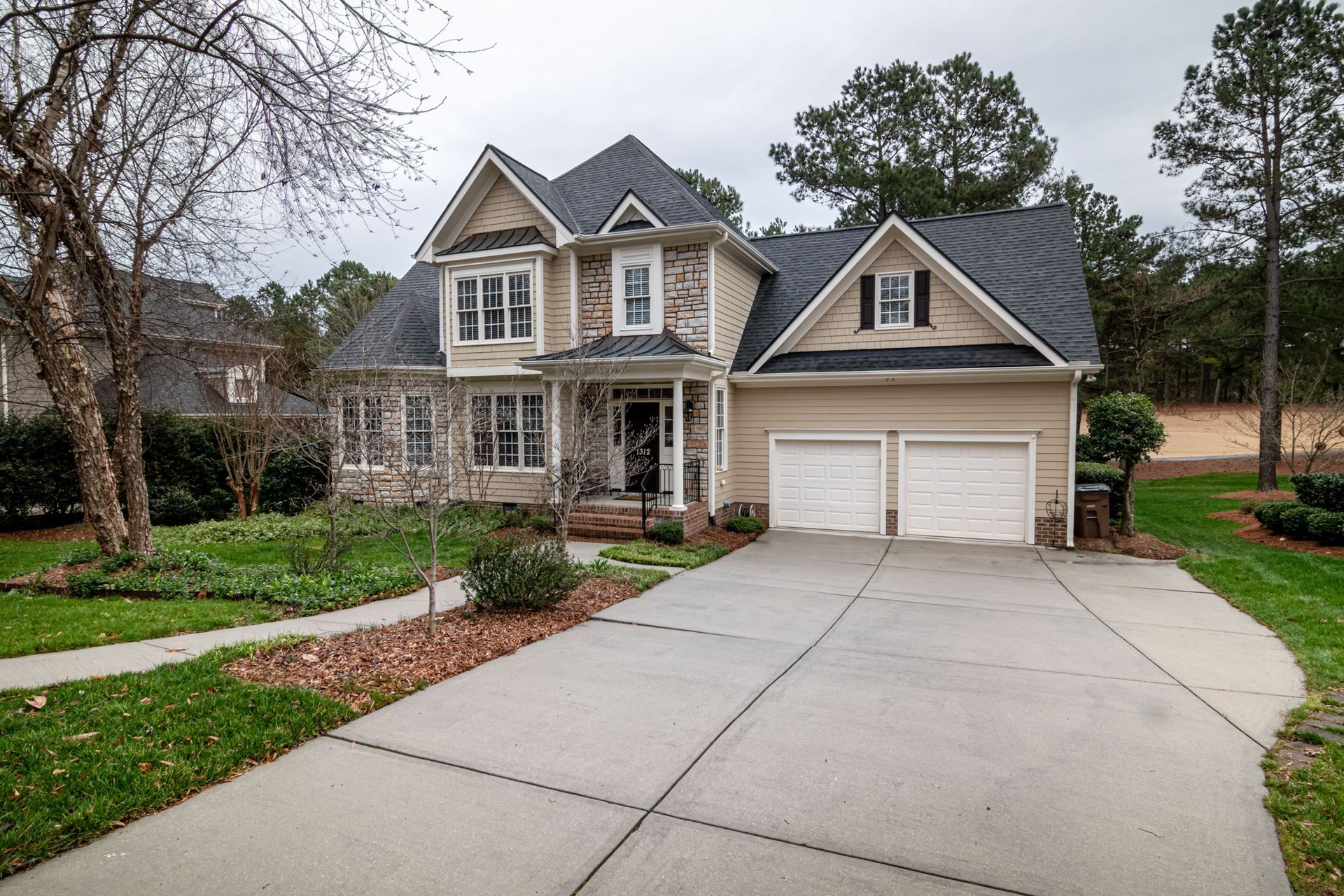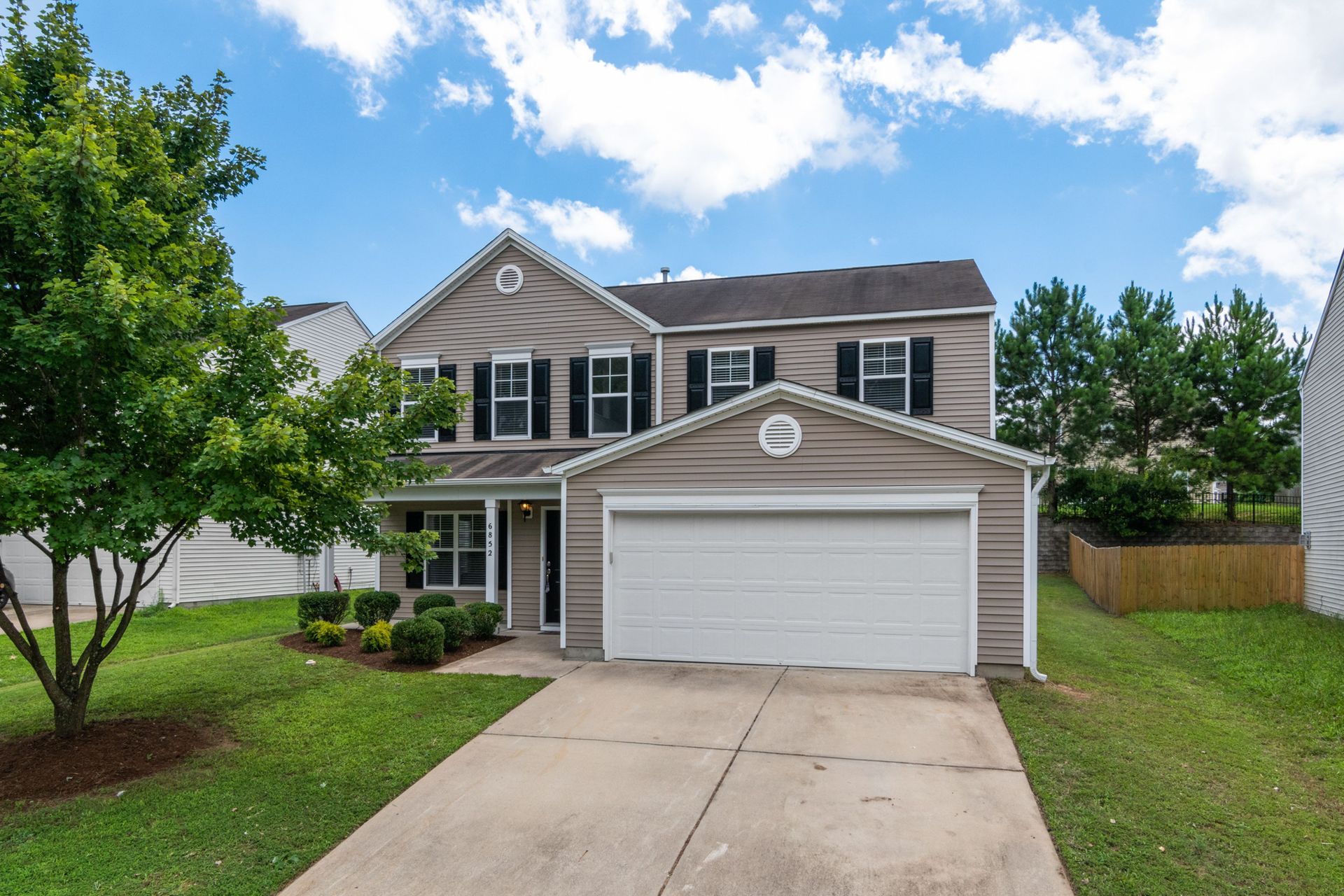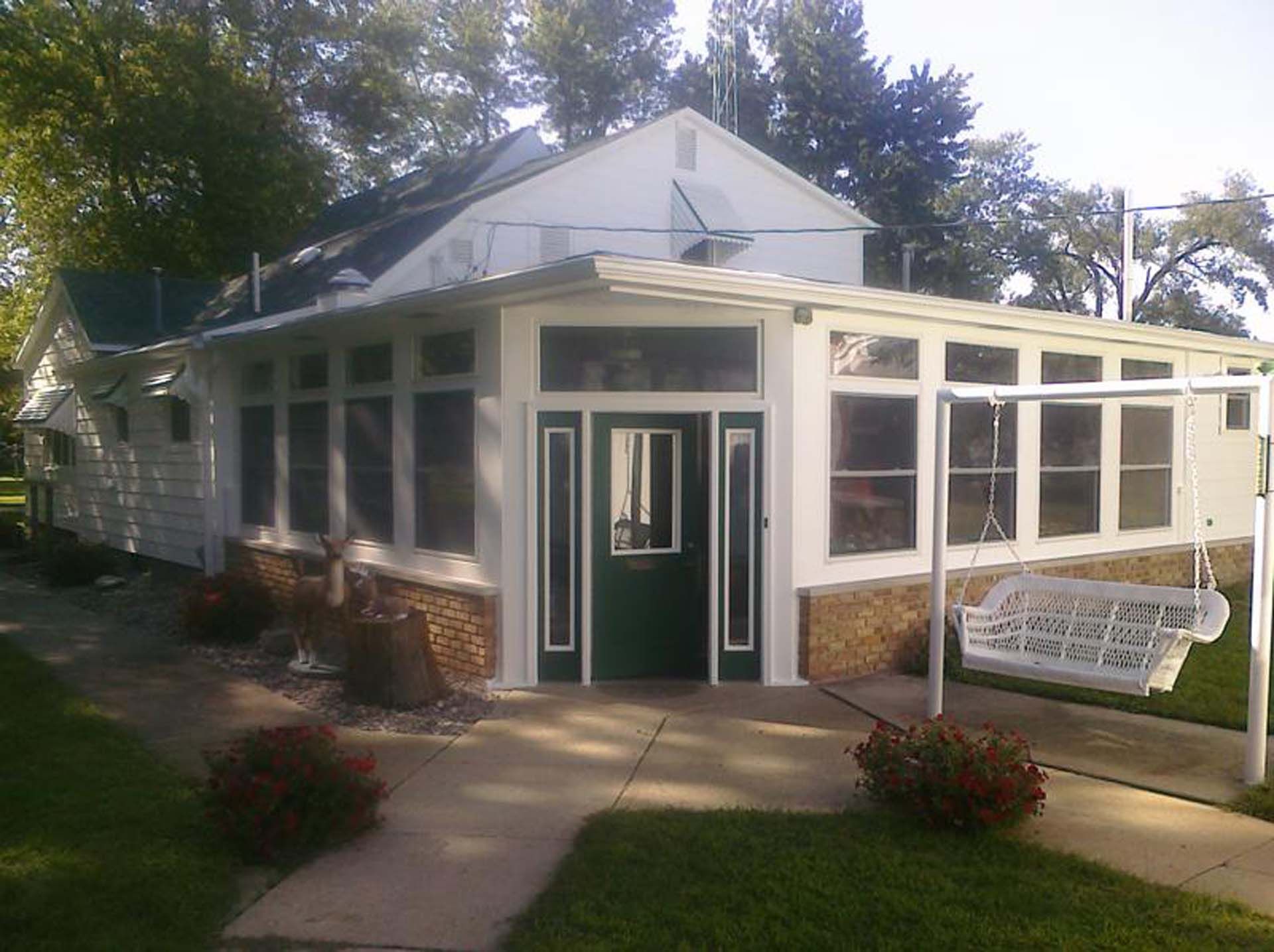
Salt air resistance sounds like a test built for beach houses, not Chicagoland — but every winter, Cook, DuPage, Lake, and Kane County crews spread hundreds of thousands of tons of de-icing salt across roads and driveways. That salt splashes up onto lower siding, foundations, and trim every single time a car passes on a wet, salted street. It's a slower, quieter version of the same corrosive exposure a coastal home deals with from ocean spray — and it's the subject of our final Fact Check Friday in this series.
What the Lab Actually Tested
Q-Lab Test Services, an accredited testing facility in Homestead, Florida, ran ASTM B117-19 salt fog testing on Rhino Shield coating samples applied to both wood and stucco substrates. This standard exposes coated specimens to a continuous salt fog environment — a fine mist of 5% sodium chloride solution held at 35°C — for a sustained exposure period, then evaluates the panels for surface corrosion and blistering.
The Rhino Shield samples were exposed for 500 continuous hours, more than 20 straight days of nonstop salt fog exposure. Afterward, inspectors rated each panel on a 0-to-10 blister scale, where 10 means no blisters at all. Every Rhino Shield sample — on both stucco and wood substrates — scored a 10, meaning zero blistering after over three weeks of continuous salt exposure.
Why This Test Matters Beyond the Coast
Salt fog testing exists because salt accelerates corrosion and coating breakdown far faster than plain water exposure alone — it's an industry-standard way to compress years of real-world salt exposure into weeks of lab time. While it's most commonly associated with coastal construction, the chemistry doesn't care whether the salt came from the ocean or a snowplow. Chloride-based de-icing salt splashed onto siding by passing traffic, or carried up from a driveway on windy days, creates the same corrosive stress on a coating as coastal salt air does.
A coating that blisters under sustained salt exposure is a coating that's going to show visible damage on the lower few feet of siding facing the street after a few Chicago winters — exactly where road salt spray lands hardest. Zero blistering after 500 hours means the coating's bond to the substrate isn't compromised by chloride exposure, which is the failure mode that actually matters here.
Wrapping Up Fact Check Friday
Over the past eight weeks, we've walked through the full independent testing behind Rhino Shield — flexibility and tensile strength, mold and algae resistance, wind-driven rain, fire safety, solar reflectance, water swelling, vapor permeance, and now salt and corrosion resistance. Every result came from an accredited third-party lab, not our own marketing department, because Chicagoland homeowners comparing a paint job to a coating system deserve the real data, not just a warranty pamphlet.
Download the complete Rhino Shield Testing Book (PDF) — every test from this entire series, straight from the independent labs, in one document: https://irp.cdn-website.com/ceae3fe7/files/uploaded/RhinoShield_TestingReportDoc_R3-1.pdf
If you're ready to see what a fully tested, 25-year transferable warranty coating system looks like on your own home, request a free estimate or call (630) 984-4440.