What Chicago Hardie Plank Exterior Painters Should Know Before They Start

Kaspars Melderis • May 8, 2026

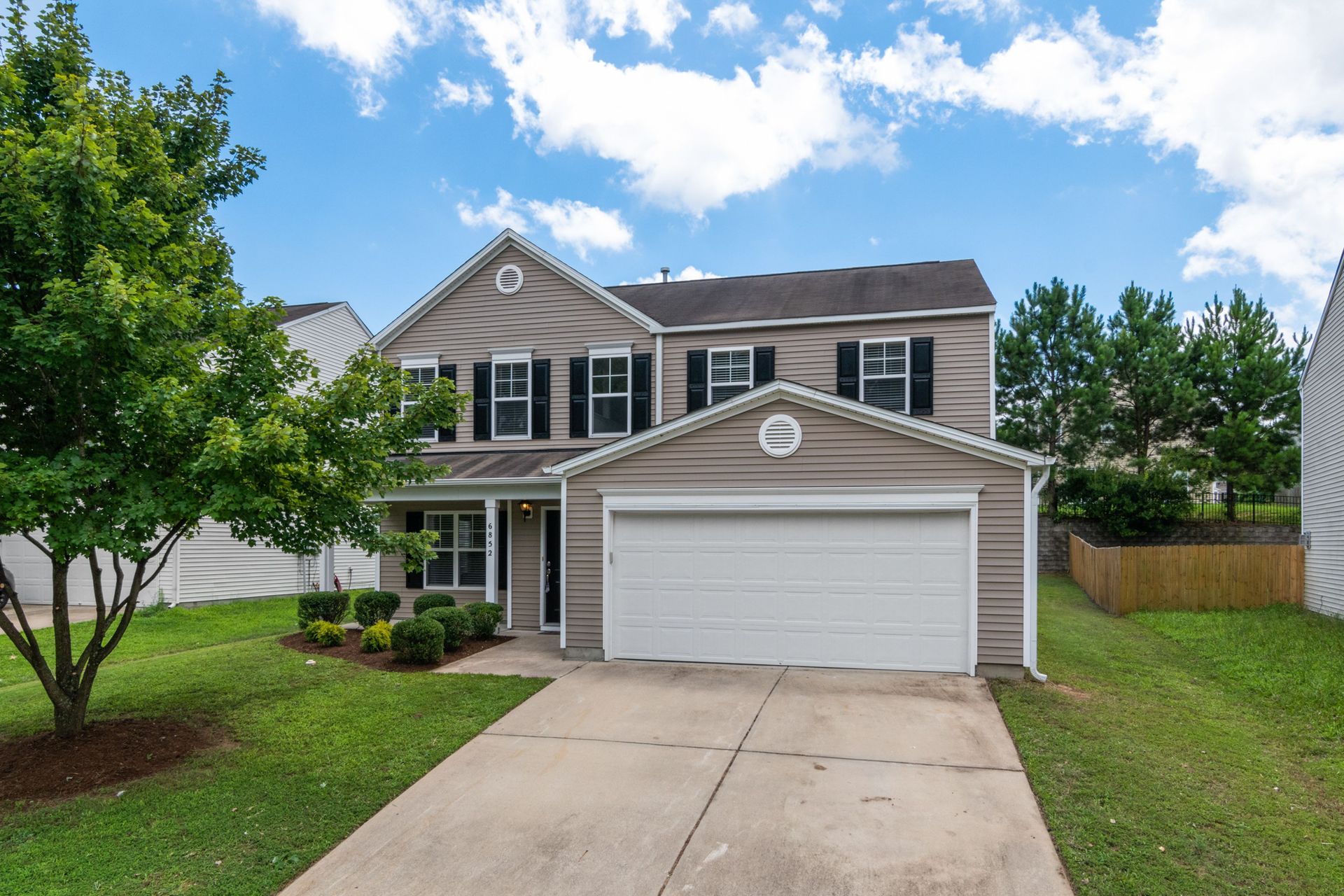
Chicago HardiPlank and Brick Home.Hardie Plank and other fiber cement siding products have become one of the most common exterior materials on new construction and remodeled homes across Cook, DuPage, Lake, and Kane counties. It’s low-maintenance, dimensionally stable, and doesn’t rot or warp the way wood does. Those qualities make it attractive — and they also make it easy for exterior painters to approach it as a straightforward, uncomplicated surface.
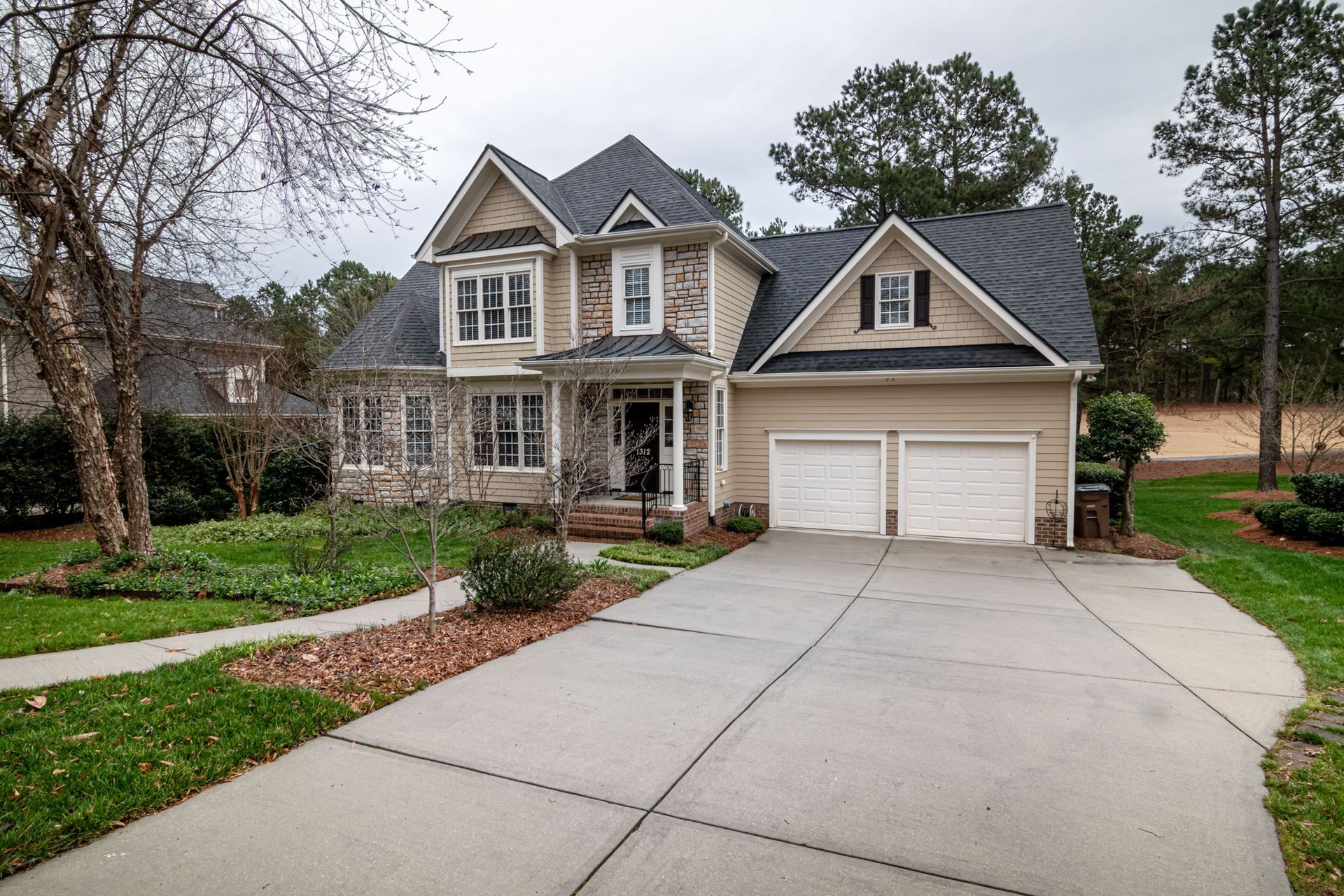
It isn’t. Fiber cement has specific prep requirements, a chemistry that affects primer selection, and edge vulnerabilities that standard painting approaches handle poorly. In Chicago’s climate, those gaps show up within a few years. Here’s what Hardie Plank exterior painters in Chicago need to account for — and what the right long-term approach to this surface actually looks like.

How Hardie Plank Behaves Differently From What It Looks Like

Hardie Plank looks solid and smooth, but it’s a porous material.  Bob Vila’s fiber cement siding guide  notes that the cement composition means the surface locks paint pigment in through porosity — the same quality that helps paint adhere is the one that demands the right primer chemistry. Standard exterior paint primers don’t always account for the alkaline surface environment that fiber cement presents, and that mismatch degrades adhesion over time in ways that don’t appear immediately but become obvious after a couple of Chicago winters.

The repainting timeline that most painters and homeowners assume for Hardie Plank — 10 to 15 years under normal conditions — is also already a significant commitment. In a Chicago climate, with intense UV on south- and west-facing exposures, heavy humidity in summer, and freeze-thaw cycles through the winter months, many homeowners find themselves at the shorter end of that window.

The Vulnerabilities Most Painters Miss on Fiber Cement

Three specific issues account for the majority of Hardie Plank coating failures on Chicago-area homes:

Edge Exposure

Cut edges and factory-primed board ends are the most vulnerable points on any fiber cement installation. Hardie Plank wicks moisture at exposed edges. If those edges aren’t properly sealed with elastomeric caulk before coating, water enters the board, compromises the factory primer from within, and causes delamination that spreads inward from the edge. It’s a slow failure that looks like a prep problem — because it is, just one that happened at installation rather than at painting time.

Joint and Penetration Caulking

Every joint between boards, every penetration at windows and doors, every gap at trim transitions is a potential water entry point on fiber cement siding. Elastomeric acrylic caulk — not silicone, which can’t be coated over and doesn’t flex adequately — must be applied to all of these before any primer or topcoat goes on. Painters who skip or rush this step are creating failure points that the topcoat has no ability to fix.

Primer Chemistry

Fiber cement has a naturally alkaline surface chemistry. Standard exterior paint primers aren’t formulated to handle sustained exposure to alkaline substrates. Over time, the bond degrades — not visibly at first, but structurally. The topcoat starts losing adhesion in the areas where the primer chemistry wasn’t right for the surface, and the failure pattern looks inexplicable from the outside because the paint appears to have been applied correctly.

What Rhino Shield Does Differently on Hardie Plank

The prep process starts before any product is selected. During the estimate and inspection, the condition of the factory finish is assessed. Is the factory primer intact or failing? Are there board edges showing signs of moisture infiltration? Where do joints and penetrations require caulking? What’s the current condition of all trim transitions and window surrounds?

For the primer, Rhino Shield uses a Cement Board Primer (CBP) — a waterborne, high-resin latex formula engineered specifically for fiber cement, stucco, and masonry substrates. It penetrates the porous surface, handles the alkaline chemistry without breaking down over time, and creates a stable, consistent bonding layer across the entire surface area. Not spot-applied. Every square foot, before the ceramic topcoat goes on.

The ceramic topcoat applies at 8 to 10 times the thickness of conventional exterior paint with 67% solids by volume. It’s elastomeric — flexible enough to accommodate the dimensional movement fiber cement experiences through Chicago’s temperature and humidity swings — and it breathes at 64 perms, allowing moisture vapor to escape rather than accumulating in the board. It reflects more than 90% of UV radiation, addressing the fading and chalking that standard paint on south- and west-facing Hardie Plank shows within a few years.

One Application vs. the Repainting Cycle

The 10-to-15-year repainting cycle for Hardie Plank is the industry expectation for standard paint. Over a 25-year period, that means one or two full repaints — each involving the same prep work, the same disruption, and the same compounding cost as labor rates continue to rise.

Rhino Shield’s ceramic coating system, applied once over a properly prepared fiber cement surface, is backed by a 25-year transferable warranty against peeling and flaking. For homeowners who plan to stay, it eliminates the cycle. For homeowners who plan to sell, it transfers to the next buyer as a documented warranty asset — something a buyer can verify and a listing can credibly cite.

If you have Hardie Plank on your home and want to understand what the right process looks like for your specific installation — free estimate, no obligation.

(630) 984-4440   |   Request an estimate online

Redfin Blog logo with red and black text on a white background
By Kaspars Melderis June 30, 2026
If you’re planning a home improvement project this year and wondering where to put your money, a new guide from Redfin has an answer — and it starts with your exterior. Redfin’s recent roundup of the most valuable home remodeling projects in Chicago put exterior durability front and center, and Rhino Shield of Chicagoland was featured among […] The post Why Exterior Coating Is One of the Smartest Home Investments You Can Make in Chicago appeared first on Rhino Shield of Chicagoland.
Person on a ladder painting the exterior siding of a house with a roller.
By Kaspars Melderis June 15, 2026
Chicago has no shortage of exterior painters. On any given weekend in spring or summer, you can find a dozen flyers on telephone poles, five quotes in your inbox after a single Angi search, and at least one neighbor who knows a guy. The hard part isn’t finding someone who’ll paint your house — it’s […] The post Exterior Painters Chicago: What Separates a Great Hire From a Costly Mistake appeared first on Rhino Shield of Chicagoland.
Blue house with autumn trees and fallen leaves, viewed from the front yard
By Kaspars Melderis June 12, 2026
If you own a wood-sided home in the Chicago area, you already know the cycle. Paint the house, it looks great for a season or two, and then the cracks start. Peeling follows. By year four or five, you’re staring down another repaint — or worse, soft boards that need replacing before you can even […] The post Wood Exterior Paint Coating: Why Standard Paint Keeps Failing — And What Actually Works appeared first on Rhino Shield of Chicagoland.
Show More